
Pop-Up Activation Trends for Brands in 2026
If you are planning a pop-up in 2026, the city matters just as much as the concept.
A strong pop-up brand activation does not happen just because the design is beautiful or the guest list looks right on paper.
It works because the market supports the kind of experience you are trying to create. The audience is there. The energy is right. The timing makes sense. The location feels aligned. When all of that clicks, a pop-up becomes more than a temporary event. It becomes a real brand moment.
That is why choosing the right city is one of the most important decisions a brand can make before going into production.
Some cities are built for luxury and media visibility. Others are better for creator-led launches, hospitality-driven experiences, or emerging lifestyle brands looking for a less saturated market. The strongest market is not always the biggest or loudest one. It is the one that best matches your audience, your category, and the kind of visibility you actually want to create.
For 2026, four markets stand out in particular: New York City, Los Angeles, Miami, and Utah. Each offers a different kind of opportunity, and each works best for a different type of brand.
What Is a Pop-Up Brand Activation?
A pop-up brand activation is a temporary, in-person experience designed to create a specific interaction between a brand and its audience. Unlike a traditional retail pop-up focused primarily on sales, a brand activation is usually built around a larger campaign goal, such as product discovery, launch awareness, consumer engagement, content creation, lead generation, or community building.
Pop-up brand activations can take many forms, from immersive retail experiences and product sampling to creator events, branded installations, hospitality moments, and short-term experiential campaigns. What makes them effective is not simply the temporary space itself, but how the concept, location, audience, and experience work together to support the brand’s objective.
What Brands Are Really Looking for in Pop-Up Activations
Brands are no longer treating pop-ups as temporary spaces with a logo on the wall. The strongest pop-up activations are built around audience behavior, product discovery, content creation, retail strategy, and real-world engagement.
For brands planning pop-ups in 2026, the opportunity is not just to show up in a high-traffic city. It is to create a brand experience that feels intentional, useful, shareable, and connected to a larger campaign goal.
Strong pop-up activations often include:
• Product trial or sampling
• Retail and in-store engagement
• Influencer, creator, or media moments
• Immersive brand storytelling
• Photo and content opportunities
• Data capture or lead generation
• VIP, hospitality, or community programming
• Multi-city campaign extensions
Pop-Up Agency vs. Pop-Up Vendor
A pop-up agency helps shape the strategy, creative direction, production plan, guest journey, vendor mix, and execution path behind the experience. A pop-up vendor may support one piece of the activation, such as fabrication, rentals, staffing, AV, signage, or technical production.
For brands planning pop-up activations, immersive retail moments, product launches, or multi-city campaigns, the agency role is what keeps the experience connected to the brand strategy. The right agency partner helps make sure the pop-up is not just produced, but positioned, planned, and executed with a clear reason for existing.
Planning a Pop-Up Brand Activation?
Barnastics helps brands develop, produce, and execute pop-up activations across major U.S. markets, from early strategy and market selection through production and on-site execution.
What Actually Makes a City Strong for a Pop-Up?
Before getting into specific markets, it helps to define what makes a city worth activating in at all.
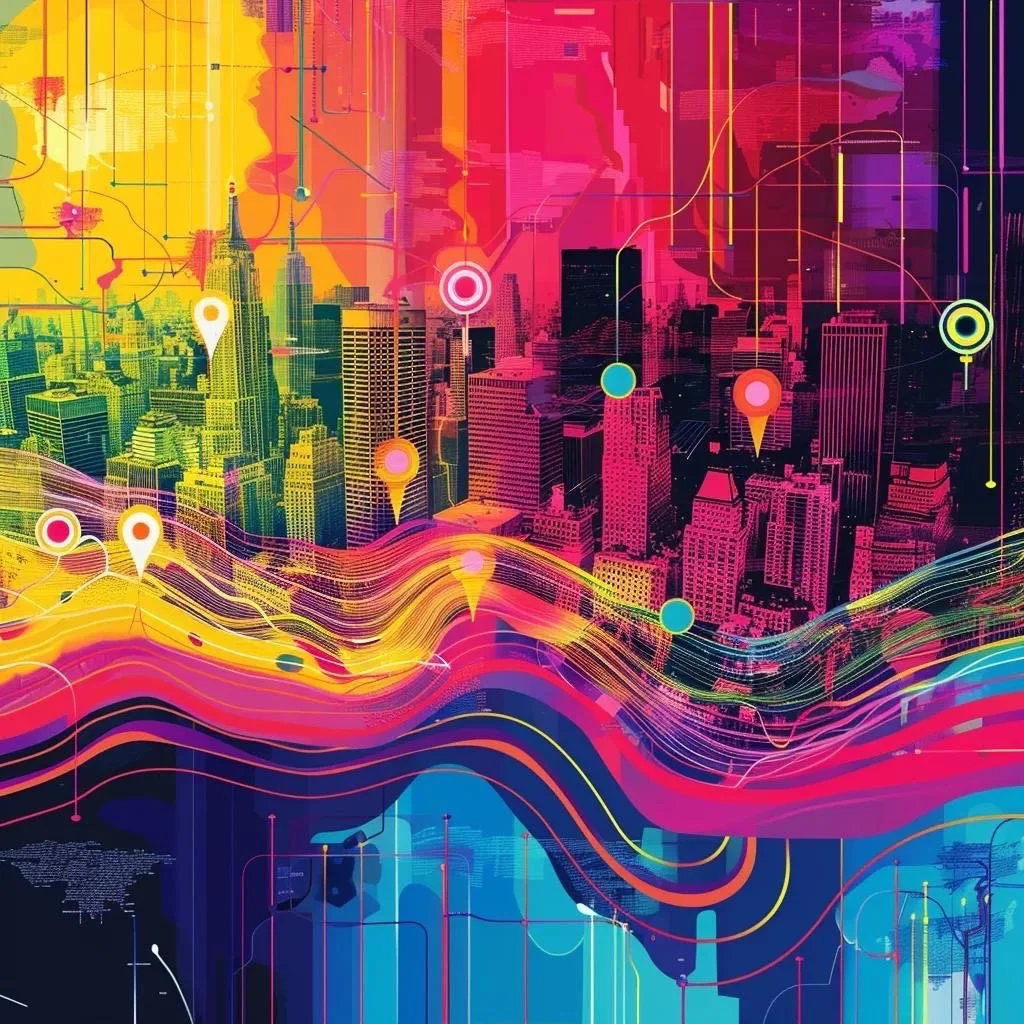
A good pop-up city is not just trendy. It gives the brand something real to work with. That can mean density and foot traffic. It can mean cultural relevance. It can mean retail adjacency, media attention, creator presence, nightlife, hospitality, or a strong local audience that already has an appetite for live experiences. The point is not simply to show up somewhere recognizable. The point is to show up somewhere that supports the kind of momentum the activation needs.
That is where brands often get it wrong. They chase a city because it sounds exciting, not because it makes strategic sense for the campaign. A market can be famous and still be a weak fit. Another can be less obvious and produce a much stronger outcome because the audience, environment, and activation format are more aligned.
In other words, the best city for a pop-up is never universal. It depends on what the brand is trying to do.
Best Cities for Pop-Up Activations in 2026
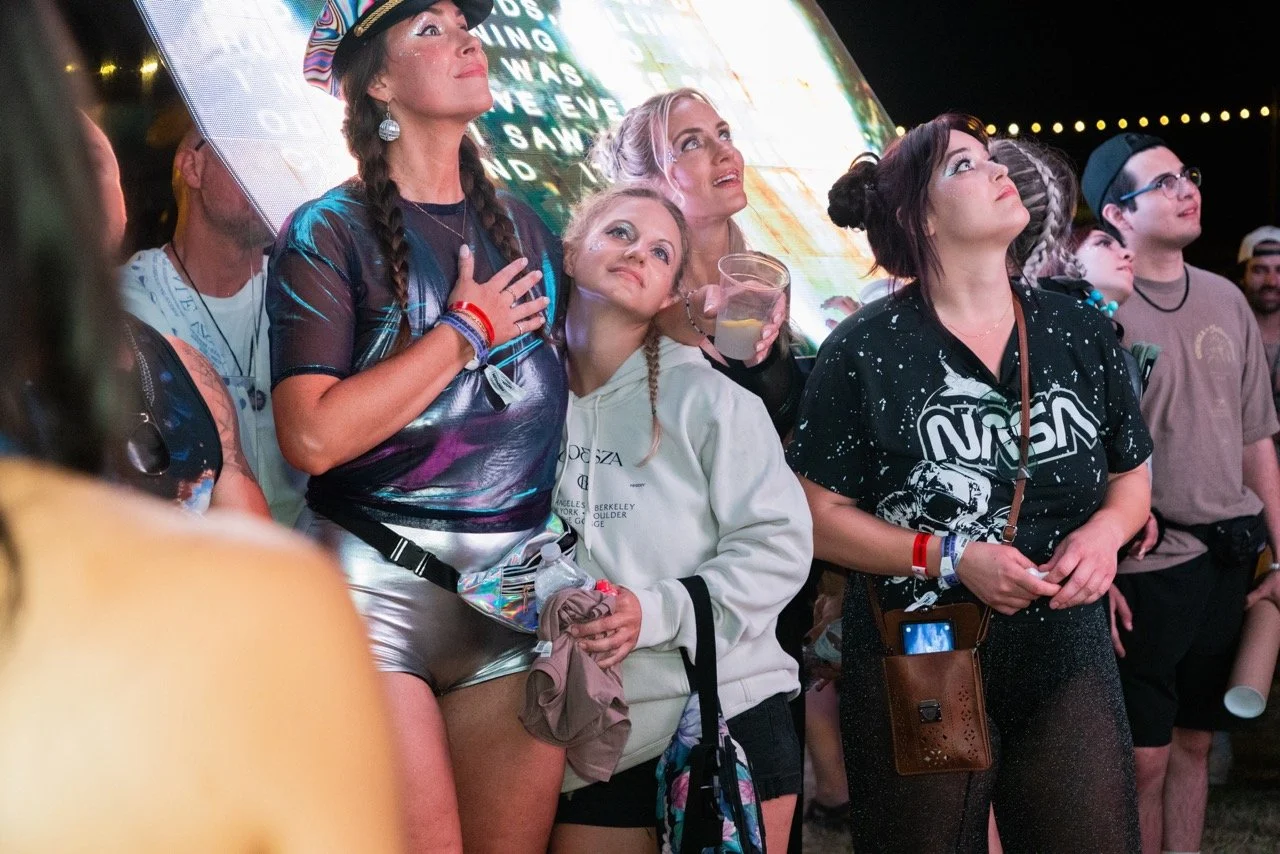
New York remains one of the strongest markets in the country for pop-up activations, especially for brands that want visibility, urgency, and cultural relevance at the same time.
There is a reason so many launches, takeovers, and temporary retail moments still funnel through New York. The city combines density, foot traffic, media proximity, and a constant appetite for newness in a way that very few places can. A well-positioned pop-up in New York can generate immediate awareness, strong content, and real consumer attention very quickly. For luxury, beauty, and fashion brands especially, the market still carries a level of seriousness and exposure that is hard to replicate elsewhere.
That said, New York is not forgiving. It is one of the hardest markets to execute well. If the concept is weak, the location is wrong, or the experience feels generic, the city will expose that quickly. The brands that do best here are the ones that understand how to build a moment that feels intentional, high-touch, and worth stepping into.

For 2026, New York remains the clearest choice for brands looking for media-facing visibility, elevated pop-up retail, or a launch that needs to feel immediate and culturally plugged in. If the goal is luxury, fashion, beauty, or a highly visible consumer moment, New York still earns its place at the top of the list.
Key NYC experiential marketing hotspots include:
SoHo – Luxury brand activations, fashion pop-ups, influencer-led launches
Flatiron District – Tech-forward experiential marketing, wellness pop-ups, B2B activations
Meatpacking District – High-visibility brand activations and immersive installations
Williamsburg, Brooklyn – Culture-led pop-ups, DTC brand experiences, art-forward activations
Lower East Side (LES) – Experimental pop-ups, nightlife-adjacent brand activations
Los Angeles Pop-Up & Experiential Marketing Hotspots

Los Angeles is a different kind of activation city.
Where New York tends to reward density and momentum, Los Angeles rewards fit. It is one of the strongest markets for brands that care about aesthetic control, lifestyle alignment, creator culture, and the kind of content that extends beyond the event itself. Pop-ups in Los Angeles work best when they feel native to the neighborhood, the audience, and the broader visual language of the brand.
That is why LA is such a strong market for beauty, wellness, fashion, and lifestyle activations. The city naturally supports experiences that are immersive, shareable, and visually polished without feeling over-engineered. It is also one of the best cities for creator-adjacent brand moments, especially when the goal is not just attendance but cultural traction.
What makes Los Angeles effective is not simply the presence of influencers or beautiful venues. It is the fact that people there are highly responsive to brand experiences that feel well designed and socially intuitive. The strongest activations in LA understand that people do not just want to attend something. They want it to feel relevant enough to engage with, photograph, and remember.
For brands planning pop-ups in 2026, Los Angeles is one of the best choices if the campaign is rooted in beauty, wellness, lifestyle, or creator-led visibility. It is not the city for every brand, but for the right one, it can create exactly the kind of polished, high-perception momentum that a temporary activation is supposed to generate.
Top LA pop-up and experiential marketing locations include:
West Hollywood (WeHo) – Beauty, wellness, fashion, and creator-led brand activations
Venice Beach – Lifestyle brands, outdoor activations, fitness and wellness pop-ups
Melrose Avenue – Fashion pop-ups, streetwear activations, short-term retail
Santa Monica – Consumer tech, sustainability-focused brands, experiential retail
Downtown LA (Arts District) – Large-scale immersive installations and brand storytelling
Miami Pop-Up & Experiential Marketing Hotspots

Miami is one of the strongest markets for brands that want visibility quickly and want that visibility to feel high-energy, high-style, and socially amplified.
The city is naturally built for hospitality, nightlife, tourism, design, and spectacle. That makes it a strong environment for brands in luxury, spirits, beauty, lifestyle, and hospitality that want to create a pop-up or launch with real visual payoff. Miami does not just host events well. It gives brands a backdrop and a pace that can make the right activation feel bigger almost immediately.
What makes Miami different is that the market is not driven only by local consumers. It is powered by a combination of residents, travelers, nightlife audiences, and culturally active neighborhoods that already expect experiences to feel elevated and shareable. A brand that shows up well in Miami can generate a very specific kind of buzz—one that feels social, image-driven, and closely tied to the city’s lifestyle identity.
Of course, Miami still requires restraint and clarity. It is easy for a pop-up there to look good but feel hollow. The strongest activations are the ones that understand how to balance visibility with intention. The goal is not just to drop something flashy into the market. It is to build something that belongs there.
In 2026, Miami remains one of the best cities for pop-up activations tied to hospitality, nightlife, beauty, luxury, beverage, and event-driven brand visibility. For brands that want audience energy and strong social spillover, it deserves serious consideration.
High-performing Miami experiential marketing locations include:
Wynwood – Art-driven activations, immersive brand installations
Design District – Luxury retail activations, fashion and jewelry pop-ups
South Beach – High-energy brand activations tied to hospitality and nightlife
Brickell – Corporate-facing experiential marketing and premium consumer brands
Little River – Emerging creative pop-ups and community-driven brand experiences
For broader campaign strategy, explore our experiential marketing agency services. → Experiential Marketing

Utah Pop-Up & Experiential Marketing Hotspots
Utah is not the most obvious city-market answer, and that is exactly what makes it interesting.
For the right brand, Utah offers something many larger markets do not: room. Less noise. Less saturation. A stronger sense of community. A growing base of audiences shaped by wellness, outdoor lifestyle, startup culture, and product discovery. It is not the place to go if a brand only wants density or hype. It is the place to go if the brand wants clarity, alignment, and a market where the activation can breathe.
That is why Utah is especially interesting for wellness brands, outdoor companies, emerging lifestyle labels, and startup-adjacent launches. In a market like Salt Lake City or Park City, a pop-up can feel more focused and more intentional. Instead of fighting for attention in a crowded field, the brand has a better chance of creating something that actually stands out for the right reasons.
Utah is not universally right. It should not be treated as a substitute for New York, LA, or Miami. But for the right concept, it can outperform expectations because the audience fit is stronger and the market itself is less exhausted by constant activations.
For 2026, Utah remains one of the more underrated markets for pop-up activations, particularly for brands in wellness, outdoor, DTC, and lifestyle categories that want an experience to feel authentic rather than overexposed.
Key Utah experiential and pop-up locations include:
Salt Lake City – Brand activations tied to tech, wellness, and community events
Park City – Luxury, wellness, and destination-driven experiential campaigns
Lehi / Silicon Slopes – Tech-forward experiential marketing and B2B activations
Downtown Provo – Youth-driven pop-ups, DTC brand experiences, community events
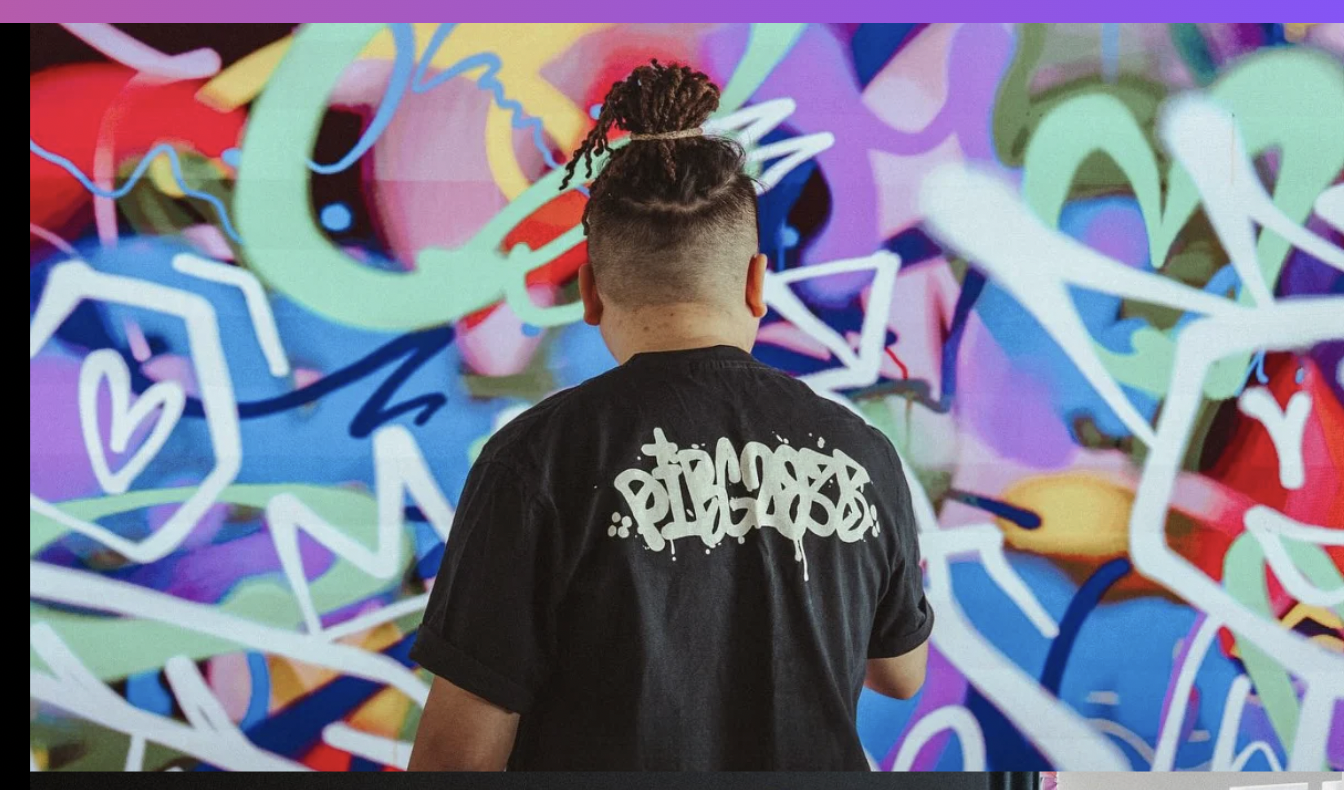
So Which City Is Actually Best?
That depends on the brand.
If the goal is luxury, fashion, and media visibility, New York is still one of the strongest choices in the country.
If the goal is beauty, wellness, lifestyle, and creator-led momentum, Los Angeles is hard to beat.
If the goal is hospitality, nightlife, luxury audiences, and social buzz, Miami continues to stand out.
If the goal is a more intentional market with strong alignment around wellness, outdoor culture, and emerging lifestyle audiences, Utah deserves more attention than it usually gets.
What matters most is not simply where a city ranks in popularity. What matters is whether the city supports the kind of visibility, audience interaction, and brand perception the activation is meant to create.
For full-service support, explore our brand activation agency services. → Brand Activations
What Brands Should Think About Before Choosing a Market
Before choosing a city, brands should get honest about the actual goal of the pop-up.
If the activation is meant to drive press, the right market may be very different from one meant to drive trial. If it is meant to generate content, neighborhood and audience behavior may matter more than raw foot traffic. If it is tied to a launch, the market needs to match both the product and the kind of perception the brand wants to build around it.
That is why choosing a city is not just a geography decision. It is a strategy decision.
The strongest pop-ups are the ones that feel native to the market they are in. They do not just arrive there. They make sense there. The audience understands them. The setting supports them. The city becomes part of the activation rather than just the place it happened.
Final Thought
The best city for a pop-up activation in 2026 is not the one getting the most hype. It is the one that gives your brand the clearest path to relevance, visibility, and real audience connection.
That might be New York. It might be Los Angeles. It might be Miami. It might be Utah.
The point is to choose the market that fits the experience you are actually trying to build.
If you are planning a pop-up, launch, or experiential campaign and want help thinking through market fit, concept direction, or execution strategy, Barnastics can help you choose the right city and shape the experience around it. Connect with us!
FAQ
What is the best city for a pop-up activation in 2026?
There is no single best city for every brand. The strongest market depends on your audience, category, budget, and the kind of visibility you want to create. For luxury, fashion, and media-facing launches, New York is often one of the strongest choices. For beauty, wellness, and creator-led campaigns, Los Angeles is a major contender. For hospitality, nightlife, and social amplification, Miami stands out. For wellness, outdoor, and emerging lifestyle brands, Utah can be a smart and less saturated option.
How do brands choose the right city for a pop-up?
The right city usually comes down to audience fit, cultural relevance, visibility, and whether the market supports the kind of experience the brand wants to produce. A city may be exciting on paper and still be the wrong fit. The strongest pop-ups happen when the market, audience, and activation concept are aligned from the start.
Are New York and Los Angeles always the best cities for pop-ups?
Not always. They are two of the strongest and most visible markets, but they are not automatically the best fit for every activation. Some brands perform better in Miami because of hospitality, nightlife, and tourism-driven visibility. Others may get a stronger result in Utah because the audience fit is better and the market is less saturated.
Is Miami a good city for luxury and hospitality activations?
Yes. Miami is one of the strongest U.S. markets for luxury, hospitality, beauty, spirits, and nightlife-adjacent brand experiences. It offers strong visual payoff, culturally active neighborhoods, and a naturally social environment that can help the right activation generate fast visibility.
Does Barnastics help brands choose the right market for an activation?
Yes. Choosing the right city is part of the strategy. Barnastics helps brands think through audience fit, market opportunity, concept direction, and execution realities before moving into production, so the activation is built in the right place from the start.