

How to Choose an Experiential Marketing Agency
Choosing an experiential marketing agency requires looking beyond a strong portfolio. The right partner should understand strategy, creative direction, production, audience engagement, budgets, timelines, and how the experience supports a larger marketing objective.
Whether you’re planning a brand activation, pop-up, product launch, festival activation, or immersive experience, the agency you choose should be able to connect the idea to a realistic production path and measurable campaign goals.
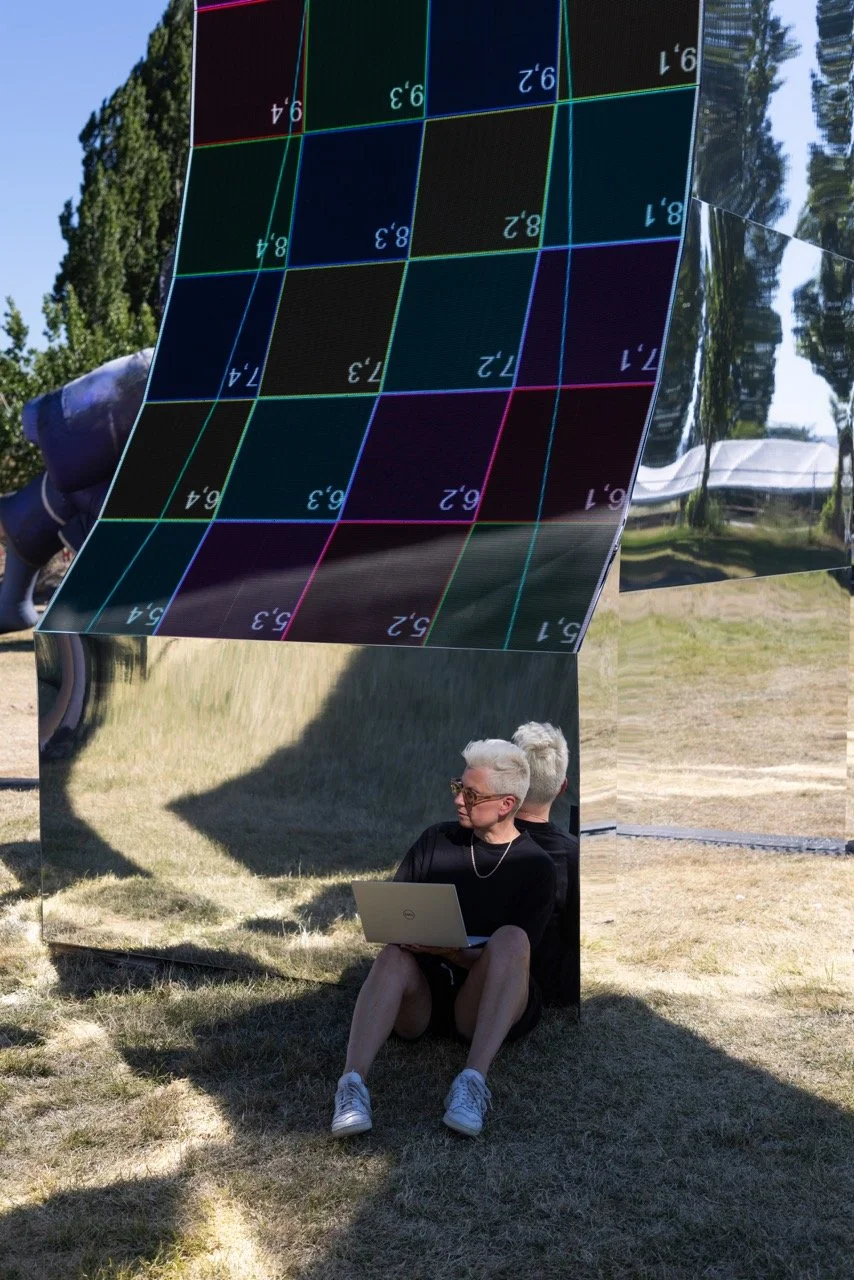
Some companies are great at logistics. Some are great at decor. Some are great at staffing. Some are strong creatively but cannot manage production. And some can produce a beautiful moment but do not understand how to connect it back to brand objectives.
If you are a brand, agency, or marketing team planning a high-impact campaign, here is what to look for when choosing an experiential marketing agency, immersive experience agency, or brand activation agency.
What to Look for in an Experiential Marketing Agency
The right experiential marketing agency should be able to connect the strategy, creative direction, production plan, audience journey, and real-world execution behind the experience. For immersive brand experiences, pop-ups, product launches, and brand activations, that means looking for a partner who can do more than make something look good.
A strong agency should understand how the experience supports the larger brand goal, how people will move through the space, what will make the moment worth sharing, and what production needs to happen behind the scenes to make the activation feel intentional, organized, and on-brand.
When evaluating an agency, look for:
• Strategy and campaign planning
• Creative direction and concept development
• Experience with pop-ups, launches, and brand activations
• Immersive brand experience capabilities
• Production planning and vendor coordination
• Guest journey and audience engagement planning
• Staffing, logistics, and onsite execution oversight
• Clear communication around budget, timing, and scope
Choosing an Agency for Pop-Ups, Product Launches, and Retail Activations
Brands planning a pop-up, product launch, retail activation, or immersive brand experience should look for an experiential partner that understands more than event logistics. The right agency should be able to connect the campaign goal, audience, market, creative direction, guest journey, staffing needs, vendor coordination, timeline, and budget before recommending a concept.
For pop-ups and product launches, this is especially important because the experience often needs to do several things at once: attract attention, introduce a product, create content, support PR or influencer moments, guide guest engagement, and leave people with a clear impression of the brand.
A strong experiential marketing agency should help you decide what type of activation makes sense for the goal, whether that is a retail pop-up, launch event, sampling campaign, mobile activation, immersive installation, festival footprint, or multi-city campaign.
Planning a pop-up, launch, or retail activation? Explore Barnastics’ brand activation services to see how we help brands bring real-world campaigns to life.
Start With Strategy, Not Stuff
One of the biggest mistakes brands make is starting with the physical idea too early.
They ask for a cart, a booth, a wall, a photo moment, a build, a sampling team, or a branded installation before the actual strategy is clear.
But a strong experiential campaign should answer these questions first:
Who is the audience?
What should they feel?
What action should they take?
Where does this experience live before, during, and after the event?
Is the goal awareness, trial, press, content, sales, community, or cultural relevance?
What does success look like?
An experienced experiential marketing agency should be able to help define the campaign before recommending the build.
That does not mean overcomplicating the process. It means making sure the idea, budget, location, timeline, creative direction, and production path are aligned before money is spent on the wrong things.
For brands with larger goals, this is especially important. A high-impact brand activation is rarely just a visual moment. It may involve location strategy, guest flow, fabrication, staffing, content capture, influencer attendance, permitting, security, power, weather planning, vendor coordination, and post-event amplification.
If the agency jumps straight to “we can build that” without asking deeper questions, that is usually a red flag.
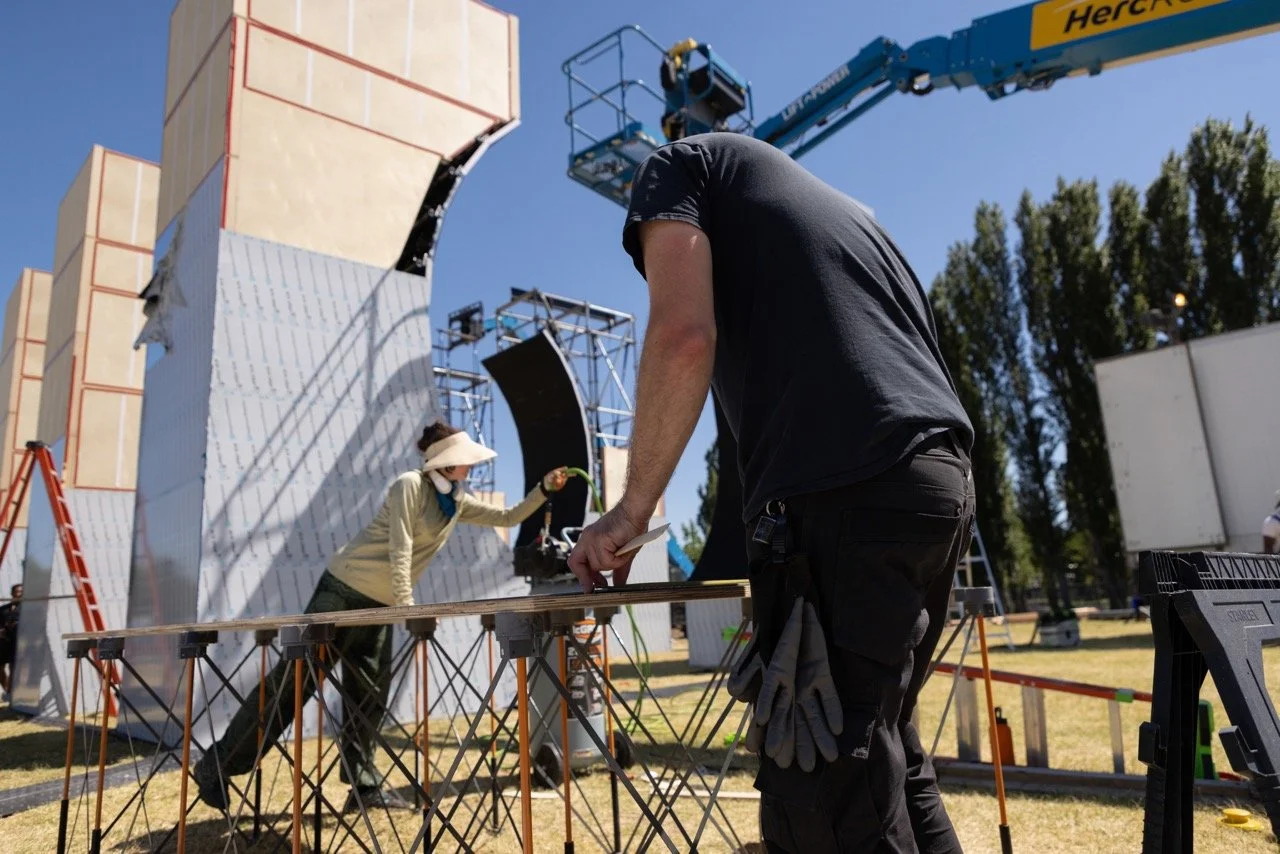
Look for an Agency That Understands Both Creative and Production
A beautiful concept is only valuable if it can actually be produced.
This is where many experiential projects fall apart. The idea looks great in a deck, but the budget, timeline, venue, load-in rules, materials, staffing, or permitting requirements do not support it.
The right brand activation agency should understand both sides:
The creative side: concept, story, visual direction, spatial design, guest journey, content, and emotional impact.
The production side: fabrication, rentals, vendors, permitting, insurance, staffing, logistics, install, strike, and on-site execution.
You need both.
A campaign can be visually exciting and still fail operationally. A campaign can also be logistically sound and still feel forgettable. The best experiential work lives in the balance between imagination and execution.
For immersive brand experiences, this becomes even more important. Interactive installations, XR performances, AI-powered activations, projection environments, LED builds, and tech-forward experiences require more than a basic event plan. They require creative direction, technical coordination, venue planning, and a clear understanding of how people will move through the environment.
An immersive experience agency should be able to explain what is possible, what is risky, what will drive cost, and what needs to be simplified to protect the guest experience.
Make Sure They Know How to Work With Agencies
Many experiential campaigns involve multiple partners.
A brand may already have a PR agency, media agency, creative agency, influencer agency, or internal brand team. In those cases, the experiential partner needs to understand how to collaborate without creating confusion.
This matters.
A strong experiential marketing agency should be able to work directly with brands or support other agencies behind the scenes. That means understanding approvals, respecting existing agency relationships, communicating clearly, and knowing when to lead versus when to support.
For PR and marketing agencies, the right partner can become an extension of the team. They can help turn a campaign idea into a real-world experience without forcing the agency to manage every vendor, build detail, and production issue internally.
This is especially valuable when the activation involves live guests, media, influencers, VIPs, public spaces, or fast-moving timelines.
In experiential marketing, the details are not small. A missed load-in requirement, unclear staffing plan, delayed vendor payment, weak guest flow, or unrealistic timeline can affect the entire campaign.
Brands and agencies need partners who can protect the creative idea while managing the realities behind it.
Choose a Partner That Can Scale the Idea to the Budget
Not every brand activation needs to be a six-figure immersive build.
But every experience needs to be properly matched to the budget.
That is another reason to choose an agency with strategic production experience. The right partner should be able to tell you what level of concept makes sense for your investment.
A $20,000 street team sampling moment is not the same as a $150,000 festival build. A luxury product launch is not the same as a guerrilla marketing campaign. A retail pop-up is not the same as a multi-city experiential tour. A custom immersive installation is not the same as a branded lounge.
Each one has a different production path.
An experienced brand activation agency should be able to help you decide whether the budget supports:
A simple branded footprint
A mobile sampling activation
A pop-up retail experience
A media or influencer event
A custom scenic build
A festival environment
A tech-forward interactive installation
A multi-market campaign
A high-impact immersive experience
This is not about making every project bigger. It is about making every project make sense.
Sometimes the smartest recommendation is to simplify the footprint, focus on one strong branded moment, invest in better staffing, or put more budget toward content capture and amplification.
The best agency partner will not just say yes to everything. They will help protect the campaign from becoming underfunded, overbuilt, or unclear.
Ask About Audience Flow and Engagement
A strong experiential campaign is not just something people look at. It should give people a reason to participate.
That participation can be simple or complex.
It might be a product trial, a guided ritual, a photo moment, a QR-driven interaction, a live performance, a customization station, a giveaway, a sensory experience, a private appointment, or a digital layer that extends beyond the physical space.
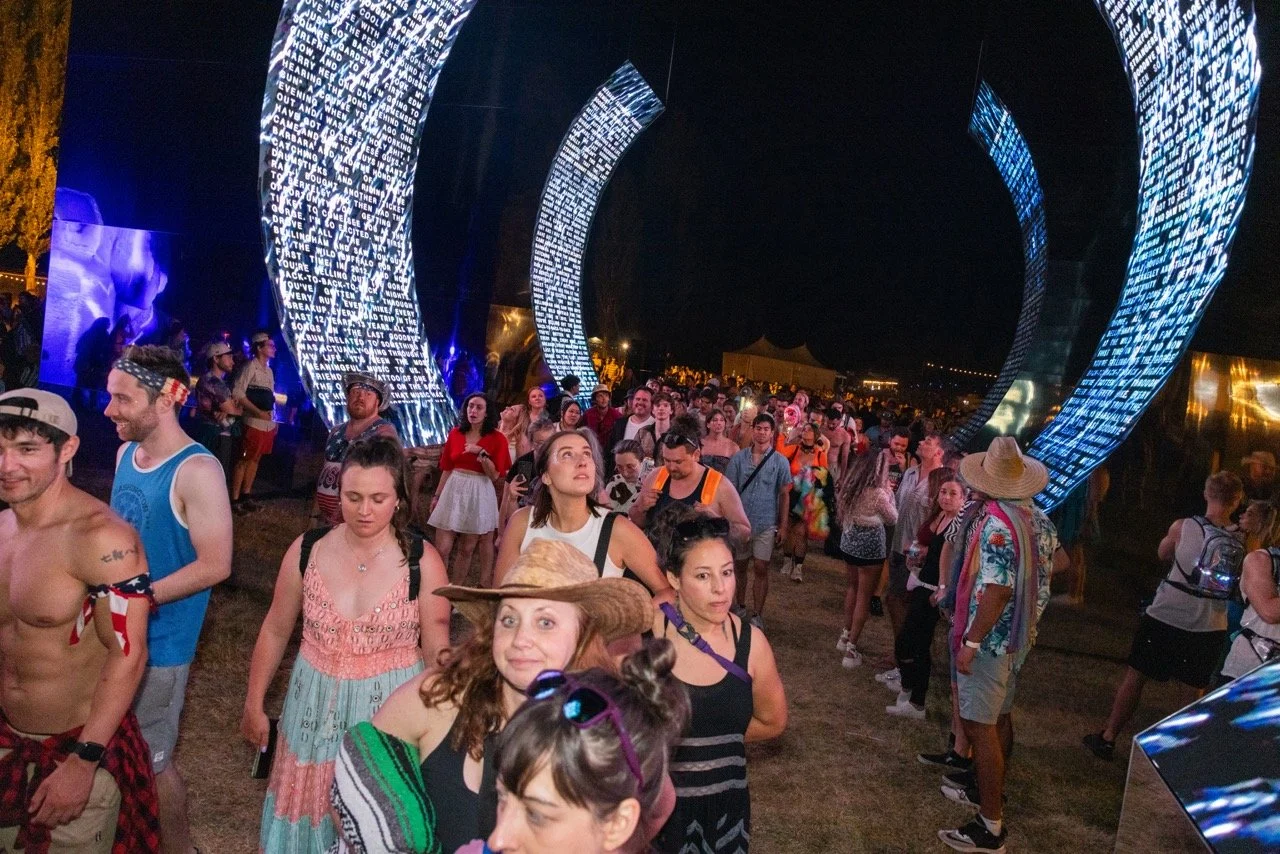
What matters is that the engagement feels natural.
A good immersive experience agency should think through the full guest journey:
How do people enter?
What do they notice first?
Where do they stop?
What do they do?
What do they film?
How long do they stay?
What do they take with them?
How does the brand continue the relationship afterward?
This is where experiential marketing becomes more powerful than a static ad. It creates a memory. It gives people a reason to associate the brand with a feeling, not just a message.
That is also why live experiences continue to matter across industries. Vogue recently noted that brands at major cultural moments like Coachella are shifting from simple visibility toward more intentional, value-driven activations that create emotional connection and shareable engagement.
For brands, this means the experience cannot just look good. It has to work in the real world.
Review the Agency’s Production Network
Most experiential agencies do not produce every single element internally. And that is not a bad thing.
Large-scale experiential work often requires a network of specialized partners: fabricators, scenic builders, technology teams, staffing companies, permit expeditors, rental houses, AV teams, content teams, photographers, videographers, designers, producers, and local market operators.
The key is not whether everything is done in-house.
The key is whether the agency knows how to source, coordinate, manage, and protect the quality of the work.
A strong experiential marketing agency should have access to trusted production partners and know how to bring the right people together based on the project. That is especially important for brands activating in multiple cities or agencies managing campaigns across unfamiliar markets.
If your activation is in New York, Los Angeles, Miami, Las Vegas, Chicago, Austin, Atlanta, Dallas, or another major market, your agency partner should understand that each city comes with different permitting rules, venue dynamics, labor considerations, weather concerns, vendor availability, and production realities.
A strong network can save time. But strong oversight is what protects the final result.
Know the Difference Between an Event Planner and an Experiential Marketing Agency
This is one of the most important distinctions.
An event planner typically focuses on logistics, vendor coordination, guest experience, and event execution.
An experiential marketing agency focuses on how a live experience supports a brand, campaign, launch, audience strategy, and business goal.
There can be overlap, but they are not the same thing.
If you are hosting a private dinner, corporate gathering, or social event, an event planner may be the right fit.
If you are launching a product, building brand awareness, creating a pop-up, activating at a festival, designing an immersive environment, or turning a campaign into a physical experience, you likely need an experiential marketing agency or brand activation agency.
The difference comes down to intent.
Experiential marketing is not just about producing an event. It is about creating a branded moment that earns attention, creates connection, and supports a larger marketing objective.
Experiential Agency vs. Production Vendor
An experiential agency helps shape the strategy, creative direction, production plan, vendor mix, guest experience, and execution path behind a campaign. A production vendor may support one specific piece of the experience, such as fabrication, rentals, AV, staffing, technology, or technical production.
For brands planning immersive experiences, pop-ups, product launches, or multi-city activations, the agency role is often what keeps the full experience cohesive. The right agency partner understands the campaign goal, manages the moving pieces, and helps make sure the final experience feels connected to the brand rather than assembled from disconnected vendors.
What to Prepare Before Contacting an Agency
Before reaching out to an experiential marketing agency, gather as much information as you can.
You do not need to have everything figured out, but the stronger your starting point, the faster an agency can determine what is realistic.
Helpful details include:
Target market or city
Ideal event date or launch window
Estimated budget range
Primary campaign goal
Target audience
Preferred location type
Known venue or open location needs
Product or service being promoted
Whether this is a one-off or multi-market campaign
Existing creative direction or brand guidelines
Internal approval process
Any PR, influencer, or media goals
This information helps the agency understand whether the project needs a simple activation, a full creative concept, a production plan, or a phased strategy process before moving into execution.
It also helps prevent wasted time on ideas that do not match the budget, timeline, or campaign goal.
When to Bring in an Agency
Bring in an agency as early as possible.
The earlier an experiential marketing agency is involved, the more they can help shape the strategy, budget, timeline, creative direction, and production path.
If you wait until the concept is already locked, the agency may only be able to execute what has been handed to them, even if there are better ways to approach it.
Early involvement is especially important for:
Product launches
Pop-ups
Retail experiences
Cultural campaigns
Multi-city campaigns
Influencer and media moments
Brand sponsorship activations
The more complex the experience, the more time is needed to align creative, vendors, production, approvals, and logistics.
A rushed project is not always impossible, but it usually costs more, limits creative options, and increases production risk.
Final Thoughts
Choosing the right experiential marketing agency is not just about finding someone who can produce an event.
It is about finding a partner who understands how to turn a brand story into a real-world experience people want to engage with, share, and remember.
For brands, that means choosing a team that can think strategically, develop the creative direction, coordinate the production path, manage partners, and protect the guest experience from concept through execution.
For agencies, it means choosing a partner who can support your campaign without adding confusion, overstepping the client relationship, or losing the original strategy along the way.
The strongest experiential work feels effortless to the audience because the strategy, creative, production, and logistics behind it are deeply considered.
That is what separates a simple event from a brand experience that actually moves people.
Ready to Build a Brand Experience?
Barnastics is a full-service experiential marketing agency and production partner helping brands and agencies develop brand activations, pop-ups, immersive experiences, cultural campaigns, product launches, and live brand moments across major U.S. markets.
Whether you already have a concept or need help shaping the strategy first, we can help define the creative direction, production path, and real-world execution plan.
FAQ Section
What does an experiential marketing agency do?
An experiential marketing agency creates real-world brand experiences that help audiences interact with a brand in person. This can include brand activations, pop-ups, product launches, immersive installations, festival experiences, sampling campaigns, retail experiences, and cultural moments.
What is the difference between an experiential marketing agency and a brand activation agency?
A brand activation agency usually focuses on creating campaigns that drive direct engagement with a brand, product, or service. An experiential marketing agency may offer broader strategy, creative direction, production planning, and campaign development across different types of live brand experiences.
What is an immersive experience agency?
An immersive experience agency creates environments that audiences can physically or digitally step into. These experiences may include interactive installations, projection, XR, LED environments, AI-powered activations, spatial storytelling, sensory design, and large-scale experiential builds.
When should a brand hire an experiential marketing agency?
A brand should hire an experiential marketing agency when planning a launch, pop-up, festival activation, cultural campaign, immersive installation, retail experience, or any live campaign where strategy, creative direction, production, and audience engagement need to work together.
How much does a brand activation cost?
Brand activation costs vary based on the city, location, timeline, footprint, staffing, fabrication, technology, permits, rentals, content capture, and whether the campaign is one-time or multi-market. A simple activation may require a smaller budget, while custom immersive experiences or large-scale festival builds can require significantly more planning and production investment.