
Experience Agencies and the Evolution of Luxury Marketing
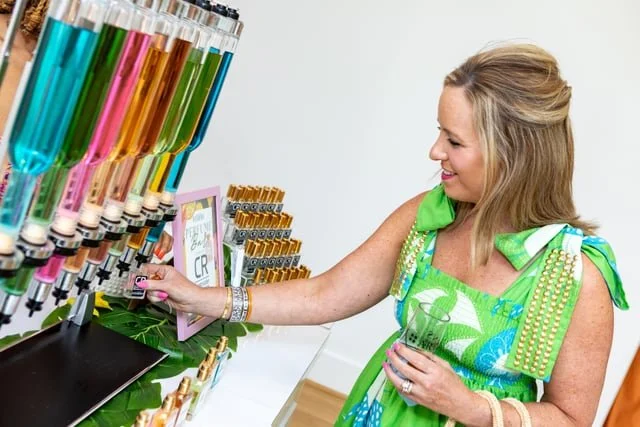
As a full-service experiential marketing agency executing brand activations, pop-ups, and immersive campaigns across major U.S. markets, we operate at the intersection of strategy, creative, and real-world execution. From footprint constraints and venue approvals to fabrication timelines, staffing, and on-site delivery, experiential marketing lives or dies in the details.
For luxury brands, those details matter more than ever. High-value audiences expect more than a product display or polished campaign — they expect experiences that feel intentional, elevated, and emotionally resonant. This shift has made experience agencies central to modern luxury marketing, not as a trend, but as a core execution partner.
This article breaks down how experience agencies shape modern luxury marketing through live activations, pop-ups, and immersive events. Rather than speaking in theory, it focuses on what actually happens on the ground: how experiences are built, how they differ from traditional creative work, and why experiential marketing continues to drive stronger recall, loyalty, and long-term brand value.

What an Experience Agency Actually Does
In practice, an experience agency is responsible for turning brand strategy into a live, physical environment. That includes everything from shaping the experience conceptually to managing the realities of execution — location sourcing, permitting, production timelines, fabrication, staffing, vendor coordination, and on-site delivery.
Unlike traditional marketing, experiential work has no buffer. There’s no second chance once doors open. Every detail — from footprint constraints and guest flow to load-in timing — directly impacts how a brand is perceived in that moment.
Experience agencies exist to manage that complexity. They bridge the gap between creative ambition and operational reality, ensuring the experience not only looks compelling on paper but functions seamlessly in the real world.
Experience Agencies vs. Creative Agencies
While creative agencies play a vital role in brand storytelling, experience agencies operate in a different lane. Creative agencies typically focus on campaigns, visuals, messaging, and media. Experience agencies focus on execution in physical space.
In luxury marketing, both often work together — but the responsibilities are distinct. An experience agency is accountable for how people physically engage with a brand: how they enter, where they pause, how long they stay, and what emotions the environment evokes.
For example, a creative agency may define the look and narrative of a campaign, while an experience agency determines how that narrative translates into a live pop-up or event. That includes spatial design, interactive elements, technology integration, staffing strategy, and real-time problem solving on site.
In many luxury activations, experience agencies collaborate closely with creative partners rather than replacing them. While creative teams may lead visual identity or campaign narrative, experience agencies are responsible for translating that vision into a live environment that works—operationally, logistically, and emotionally. This collaborative model allows brands to benefit from strong creative direction while maintaining a single execution partner accountable for delivery, risk management, and on-site performance.
Why Live Experiential Marketing Works for Luxury Brands
Luxury brands invest in experiential marketing because it creates something digital campaigns cannot: presence. A well-executed live experience allows consumers to step inside the brand — to feel its materials, understand its values, and form a personal connection.
We consistently see higher dwell time, stronger recall, and deeper emotional engagement when brands prioritize experiential activations. Experiential marketing events have been shown to increase brand recall by up to 65%, reinforcing why live experiences continue to outperform passive marketing channels in high-consideration categories.
Beyond metrics, experiential marketing builds trust. When a luxury brand delivers a thoughtful, well-produced experience, it signals quality, intention, and credibility — qualities that directly influence long-term brand loyalty.
Storytelling, Design, and Technology in Live Experiences
Experience agencies don’t just produce events — they choreograph environments. Storytelling is embedded into the physical journey, from the first touchpoint to the final takeaway. Design choices guide movement, attention, and emotion. Technology enhances the experience rather than distracting from it, whether through interactive installations, augmented reality, or social-first moments built into the space.
The goal is not spectacle for its own sake, but cohesion. Every element should feel connected to the brand’s identity and purpose. When done well, the experience feels natural, elevated, and memorable — not forced.
Where Strategy Meets Reality
Luxury marketing lives or dies in execution. A concept can be compelling on screen or in a deck, but its true impact is defined in physical space — through timing, flow, interaction, and how the experience makes people feel in real time.
Experience agencies exist to protect that moment. By combining strategic thinking, creative collaboration, and hands-on execution, they ensure brand vision translates into something tangible, intentional, and memorable. For luxury brands, experiential marketing is no longer about creating moments for attention — it’s about creating experiences that reinforce trust, identity, and long-term value.
When strategy, creative, and execution are aligned, live experiences stop being one-off events and become meaningful brand touchpoints. That alignment is what defines modern experiential marketing — and why experience agencies continue to play a central role in the future of luxury branding.
Frequently Asked Questions
What is the difference between an experience agency and a creative agency?
A creative agency typically focuses on brand identity, visual design, and campaign messaging. An experience agency focuses on translating that creative vision into a live environment — managing logistics, production, vendors, staffing, timelines, and on-site execution. Many successful luxury activations involve both working together.
Do experience agencies handle creative concepting as well as execution?
Some do. Others collaborate with creative partners depending on the project. In many cases, brands bring creative direction internally or through an agency partner, while the experience agency leads execution and live delivery. The key is clarity around roles and accountability.
When should a brand bring in an experience agency?
Ideally early in the process. Experience agencies help assess feasibility, timelines, budgets, and spatial considerations that impact how a concept comes to life. Bringing them in early reduces risk and costly revisions later.
Are experiential campaigns only for large budgets?
Not necessarily — but experiential marketing does require thoughtful planning and execution. The scale may vary, but successful activations prioritize intention, audience flow, and brand alignment over spectacle.
How do experiential activations drive measurable results?
Live experiences increase dwell time, brand recall, emotional engagement, and social sharing. Brands often measure success through lead capture, audience interaction, content performance, and post-event brand lift.
Ready to Explore an Experiential Approach?
From pop-ups and product launches to full-scale brand activations, experiential marketing works best when strategy, creative, and execution are aligned from the start.
If you’re exploring a live experience and want clarity on what’s feasible, what the right structure looks like, and how Barnastics can support it, we’re happy to start with a conversation focused on fit and next steps.
Contact Barnastics to discuss your experiential goals.