

How to Choose the Right Pop-Up Event Venue for Brand Activations
As a full-service experiential marketing agency executing brand activations, pop-ups, and immersive campaigns across major U.S. markets, we’ve seen firsthand how venue selection directly impacts the success of an activation. From storefront pop-ups and gallery takeovers to outdoor activations and modular builds, the venue is never just a backdrop — it dictates guest flow, content capture, operational complexity, and ultimately how a brand is remembered.
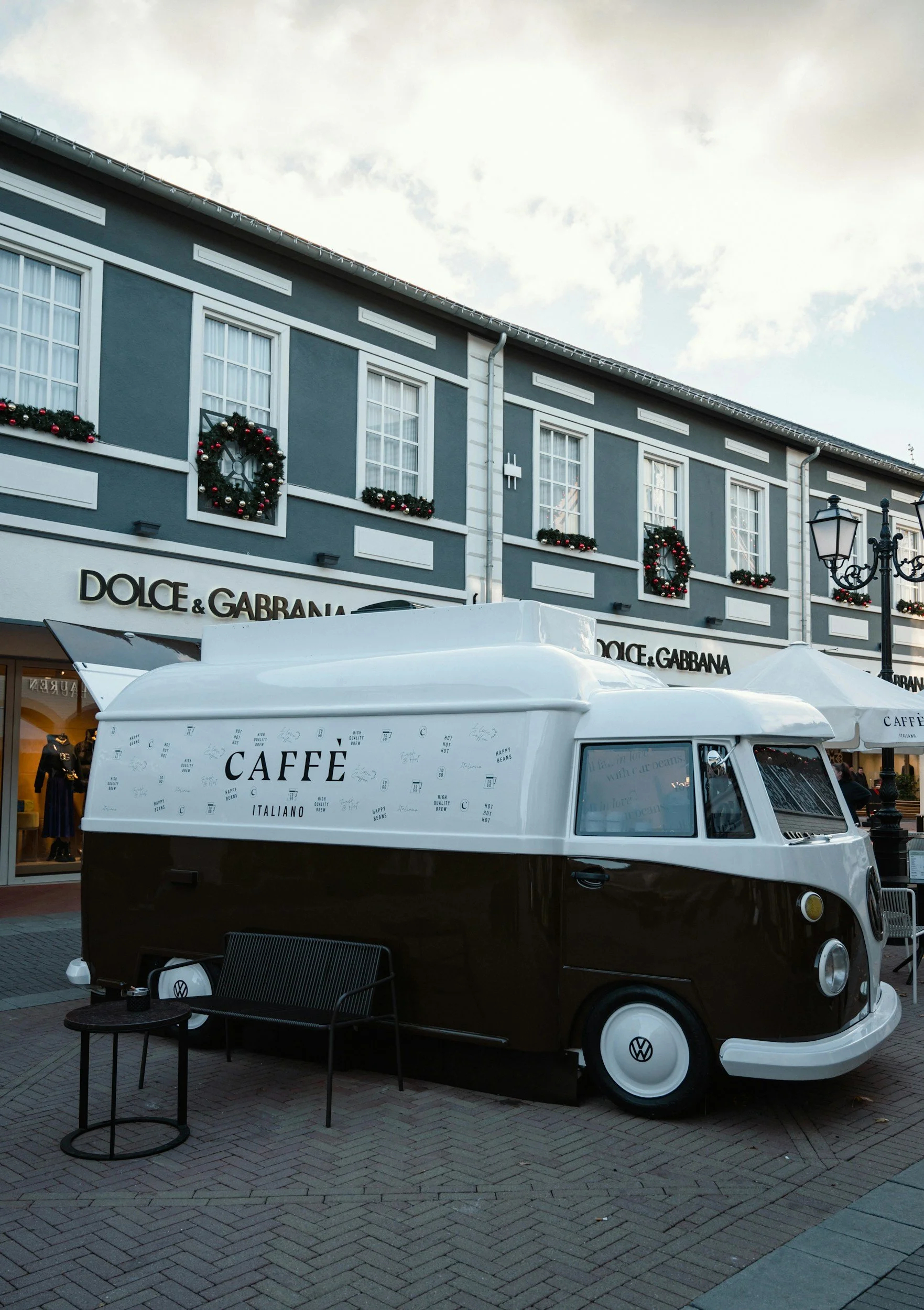
This guide is built from real-world execution experience, not theory. It breaks down how brands should evaluate pop-up event venues strategically — based on audience alignment, production realities, permitting, and experiential goals — so activations don’t just look good on paper, but perform in-market.
Pop-up event venues can make or break a brand activation.
The right space doesn’t just house an event—it shapes how a brand is perceived, how guests move through the experience, and how memorable the activation becomes long after it ends. With brands increasingly using pop-ups, brand activations, and experiential campaigns to drive awareness and engagement, venue selection has become a strategic decision—not a logistical afterthought.
This guide breaks down how to choose the right pop-up event venue for brand activations, from understanding different venue types to evaluating location, logistics, and production requirements—so brands can avoid common missteps and build experiences that actually perform.
Defining Pop-Up Venues and Brand Activation Spaces
Pop-up venues are temporary spaces used for short-term brand experiences, while brand activations are immersive campaigns designed to create emotional connections with audiences. Unlike traditional retail, these experiences prioritize interaction, storytelling, and presence over long-term occupancy.
Pop-up venues can include storefronts, galleries, studios, mobile structures, outdoor spaces, and non-traditional environments. The most successful activations align the venue type with campaign objectives—whether that’s product discovery, media exposure, social amplification, or market testing.
Understanding the Temporary Nature of Pop-Up Activations
The temporary nature of pop-up venues creates urgency. Guests know the experience is limited, which increases attendance, engagement, and shareability.
Because pop-ups exist for a defined window, brands must design environments that feel intentional from day one. Every detail—from layout to flow to staffing—needs to support a seamless guest journey. There’s little room for trial-and-error once doors open.
How Brand Activations Differ From Traditional Retail
Traditional retail focuses on transactions. Brand activations focus on experience.
Pop-up activations often include interactive elements, content moments, guided storytelling, product education, and experiential touchpoints that encourage participation rather than passive browsing. The venue must support flexibility, production needs, and guest movement—something many standard retail spaces are not designed for without modification.
Why Experiential Marketing Locations Matter More Than Ever
As experiential marketing becomes a primary channel for brands, the venue itself becomes part of the narrative. Location, layout, and environment influence how long guests stay, what they remember, and what they share.
Brands that treat venue selection as a strategic decision—rather than a cost-driven one—consistently see stronger engagement, better press outcomes, and higher ROI from their activations.
Key Factors When Selecting a Pop-Up Event Venue
Aligning the Venue With Brand Identity and Campaign Goals
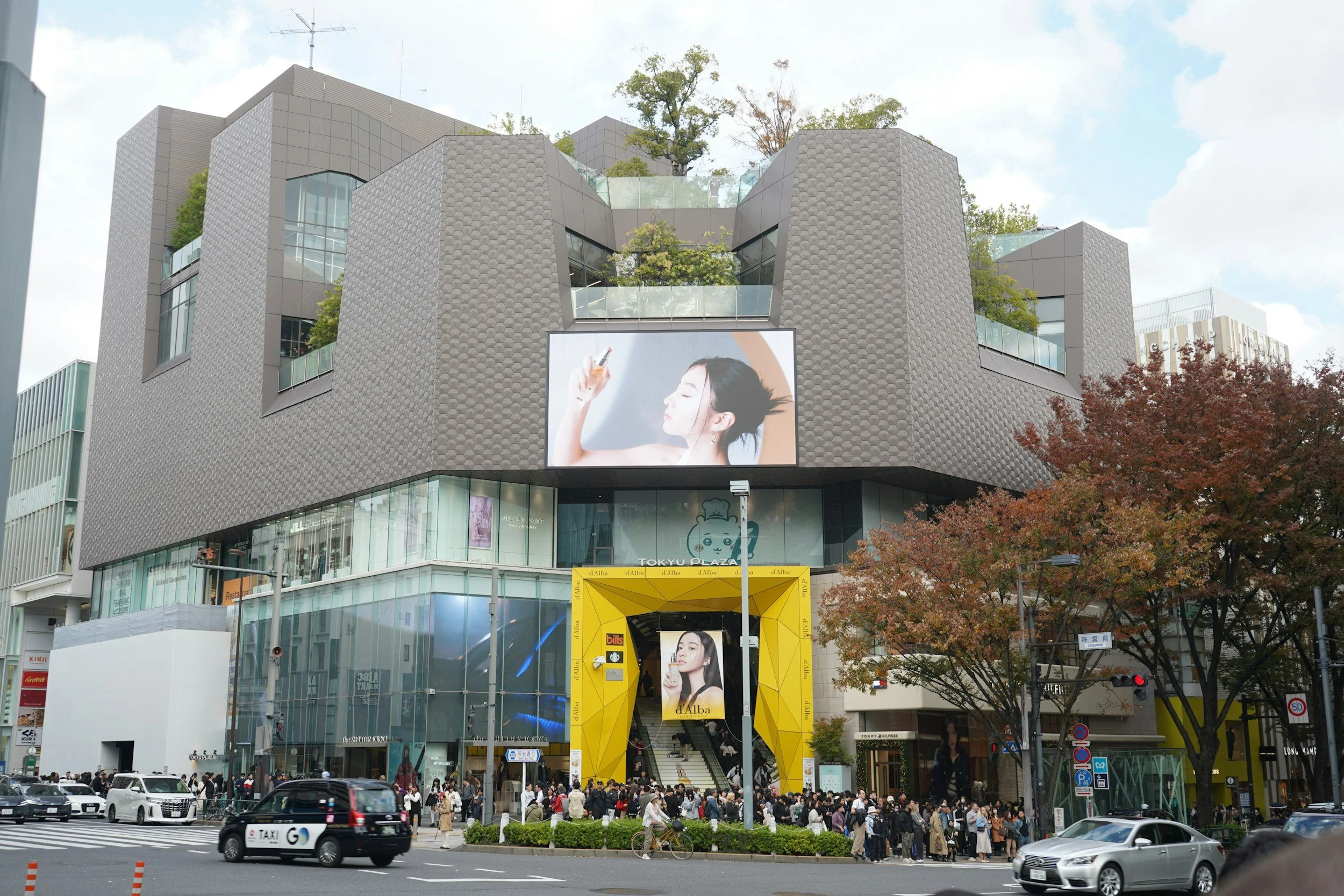
The venue should reflect the brand’s positioning. A luxury brand may require architectural character or refined interiors, while a wellness brand may prioritize natural light, openness, or calm environments.
The wrong space can dilute the message—even if everything else is executed well.
Analyzing Foot Traffic and Audience Demographics
High foot traffic doesn’t always mean the right foot traffic.
Brands should consider:
Who frequents the area
Why they’re there
How they move through the space
Whether the environment supports dwell time
A well-matched audience will outperform raw volume every time.
Assessing Space Size, Layout Flexibility, and Customization
Pop-up venues should support:
Flexible layouts
Clear guest flow
Modular installations
AV and lighting requirements
Back-of-house needs
Rigid spaces often limit creativity or require costly workarounds.
Budgeting for Rent, Permits, and Hidden Costs
Pop-up budgets should account for:
Short-term rent or licensing fees
Permits and approvals
Power, internet, and utilities
Security and insurance
Load-in/load-out logistics
Unexpected venue constraints are one of the most common reasons activations go over budget.
Accessibility and Transportation Considerations
A strong venue is easy to access. Proximity to public transit, rideshare zones, parking, and walkability all impact attendance—especially for media, influencers, and VIP guests.
Accessibility should never be an afterthought.
Types of Pop-Up Event Venues Brands Use
Retail Storefronts for High Visibility
Storefronts offer built-in visibility and pedestrian exposure, making them ideal for product-driven activations and retail-adjacent pop-ups.
Galleries and Studios for Creative Brand Experiences
Galleries and studios provide clean, adaptable environments that work well for editorial, beauty, fashion, and design-forward activations.
Shipping Containers and Modular Structures
Modular pop-up structures offer flexibility, scalability, and rapid deployment. These are often used for mobile activations, touring campaigns, and brands that want a custom-built footprint without committing to permanent real estate.
Outdoor and Open-Air Spaces for Pop-Up Activations
Outdoor environments—such as plazas, courtyards, rooftops, waterfronts, and privately managed public spaces—are increasingly used for pop-up activations that prioritize visibility, scale, and community engagement.
These spaces work well for seasonal launches, mobile activations, and high-traffic brand moments, but they introduce additional considerations around permitting, weather contingency planning, power, sound management, and public safety. Successful outdoor activations are production-led from the start, with infrastructure and logistics planned well in advance.
Vacant Lots, Warehouses, and Large-Format Spaces
For large-scale activations, vacant or industrial spaces allow for full creative control and immersive builds—often at the cost of additional production requirements.
Why Location Strategy Determines Pop-Up Success
Venue location influences:
Press interest
Influencer attendance
Guest demographics
Organic discovery
Perceived brand value
High-street locations, neighborhood hubs, cultural districts, and event-driven zones all serve different purposes. The key is alignment—not trend-chasing.
Essential Amenities Every Pop-Up Venue Must Support
Reliable power and internet
Adequate lighting and climate control
Restrooms and back-of-house space
Secure storage and load-in access
AV and content infrastructure
Clear safety and compliance standards
Missing any of these can derail execution.
Navigating Leases, Permits, and Logistics
Pop-up venues typically operate under short-term licenses rather than traditional leases. Brands must understand:
Permitting timelines
Operating restrictions
Insurance requirements
Setup and teardown windows
Staffing access rules
Clear agreements prevent costly delays.
How Brands Commonly Get Venue Selection Wrong
Brands often:
Choose spaces based on cost alone
Overestimate foot traffic value
Underestimate production needs
Ignore permitting complexity
Select venues that don’t support content capture
Venue strategy should be driven by experience goals—not convenience.
Mini FAQ
What is the best type of venue for a pop-up activation?
The best venue depends on campaign goals, audience, and scale. Storefronts, galleries, outdoor spaces, and modular builds all serve different experiential purposes.
Do pop-up venues require permits?
Yes—especially outdoor or non-traditional spaces. Permitting varies by city and venue type.
How far in advance should venues be secured?
For high-demand markets, 8–12 weeks minimum is recommended—longer for outdoor or public-space activations.
Final Thoughts
Choosing the right pop-up event venue is one of the most strategic decisions a brand can make. The space shapes perception, flow, engagement, and outcomes—long before guests interact with the brand itself.
When venue strategy, production planning, and brand objectives align, pop-up activations become powerful tools for visibility, connection, and growth.
Planning a pop-up or brand activation and unsure where to start?
Explore our brand activations services or view our city-specific strategies for New York City, Los Angeles, and Miami to see how venue selection, production, and execution come together.