

How Influencer & PR Kits Support Experiential Campaigns (And When They Don’t)
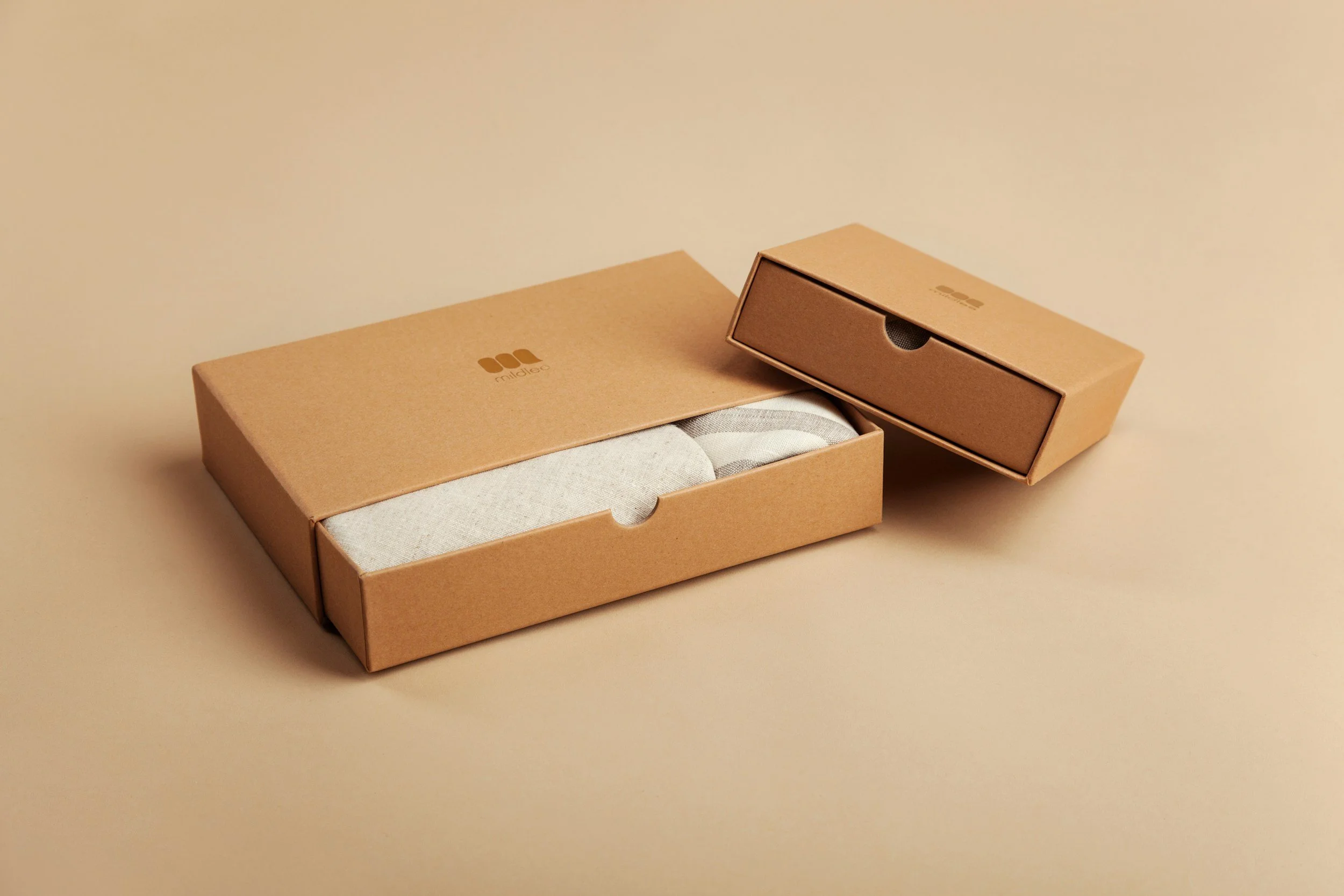
As a full-service experiential marketing agency executing brand activations, pop-ups, and immersive campaigns across major U.S. markets, we’ve seen firsthand how influencer and PR kits succeed—or fail—depending on how they’re used.
Influencer kits are often treated as a standalone tactic: send a box, hope for content, move on. In reality, kits are most effective when they function as a supporting layer within a broader experiential strategy, not as the strategy itself.
This guide breaks down when influencer and PR kits actually work, when brands get them wrong, and how they should be deployed to amplify brand activations, pop-ups, and launches—not replace them.
Influencer Kits Are Not a Strategy—They’re a Campaign Extension
One of the most common mistakes brands make is treating influencer kits as a silver bullet for awareness. A well-designed box alone does not create connection. Context does.
Influencer and PR kits perform best when they:
Extend a live experience
Reinforce a launch moment
Create continuity before or after an activation
Give creators something tangible to reference, not invent
Without a larger campaign narrative, kits often result in:
One-off posts with no recall
Content that feels transactional
Low conversion beyond vanity metrics
When tied to an experiential moment, kits shift from merch to media.
When Influencer & PR Kits Work Best
1. Supporting Brand Activations
Kits are highly effective when sent:
Ahead of a pop-up or activation to seed anticipation
Post-event to reinforce messaging and memory
To creators who attended the experience and can contextualize it
This allows influencer content to feel grounded in a real moment—not speculative or scripted.
2. Launch Campaigns (Not Always Product Launches)
Influencer kits don’t need to revolve around a single product. They work particularly well when supporting:
Brand repositioning
Market entry
New experiential formats
Seasonal or cultural moments
The kit becomes a physical manifestation of the campaign story, not just a product drop.
3. City-Specific or Market-Focused Campaigns
For brands activating in key markets, kits can localize the experience:
Reinforcing why the city matters
Extending a physical footprint digitally
Supporting PR narratives tied to place
This is especially effective when paired with city-based activations rather than mass influencer outreach.
Where Brands Typically Get Influencer Kits Wrong
Based on real campaign execution, we consistently see brands struggle when they:
Lead with packaging instead of purpose
Send kits without a live or strategic anchor
Over-index on quantity instead of relevance
Expect immediate ROI from cold influencer drops
Use kits to replace experiential instead of enhance it
Influencer kits don’t create emotional connections on their own. Experiences do. Kits simply help carry that emotion further.
Influencer Kits as Part of Experiential Measurement
When used correctly, kits support:
Earned media amplification
Post-event content longevity
Narrative consistency across platforms
Brand recall tied to a real moment
They work best when measured alongside:
Activation engagement
Content quality, not just volume
Audience alignment, not reach alone
How Barnastics Approaches Influencer & PR Kits
At Barnastics, influencer and PR kits are never standalone deliverables. They are designed as part of a broader experiential ecosystem that may include:
Brand activations
Pop-ups and mobile experiences
City-specific campaigns
Launch strategy and narrative design
Kits are a supporting layer—not the headline.
Mini FAQ
Are influencer kits effective without an event or activation?
They can be, but performance is significantly stronger when tied to a real campaign moment or experiential touchpoint.
Do influencer kits replace experiential marketing?
No. They work best when extending or reinforcing an experience, not replacing one.
How many influencer kits should a brand send?
Fewer, more intentional placements outperform mass sends almost every time—especially when aligned with campaign goals.
If you’re considering influencer or PR kits as part of a broader brand activation or launch—not as a one-off tactic—we can help structure them strategically within your campaign.