
Best Experiential Marketing Techniques for Maximizing Engagement: Proven Strategies and Innovative Approaches
As a full-service experiential marketing agency executing brand activations, pop-ups, and immersive campaigns across major U.S. markets, we’ve seen firsthand how experiential marketing outperforms traditional tactics when it comes to attention, recall, and emotional connection. The most effective campaigns don’t rely on spectacle alone—they’re built around intentional engagement, thoughtful design, and real-world interaction.
This guide breaks down the best experiential marketing techniques brands use to maximize engagement today, from proven strategies that consistently deliver results to innovative approaches redefining how consumers interact with brands in physical spaces.What Are the Most Effective Experiential Marketing Strategies for Brand Engagement?
Experiential marketing strategies focus on creating immersive experiences that engage consumers on a personal level. These strategies are designed to foster emotional connections, making the brand memorable and relatable. Effective experiential marketing can include interactive events, pop-up experiences, and brand activations that invite participation and engagement. By prioritizing customer experience, brands can enhance loyalty and drive conversions.
How Does Hyper-Personalization Enhance Customer Interaction?
Hyper-personalization involves tailoring experiences to individual preferences and behaviors, significantly enhancing customer interaction. By utilizing data analytics and customer insights, brands can create personalized experiences that resonate with their audience. For instance, personalized messaging and targeted offers can lead to higher engagement rates and customer satisfaction. This approach not only improves the overall experience but also fosters a sense of belonging among consumers, making them more likely to engage with the brand.
Which Interactive Brand Activations Drive Consumer Participation?
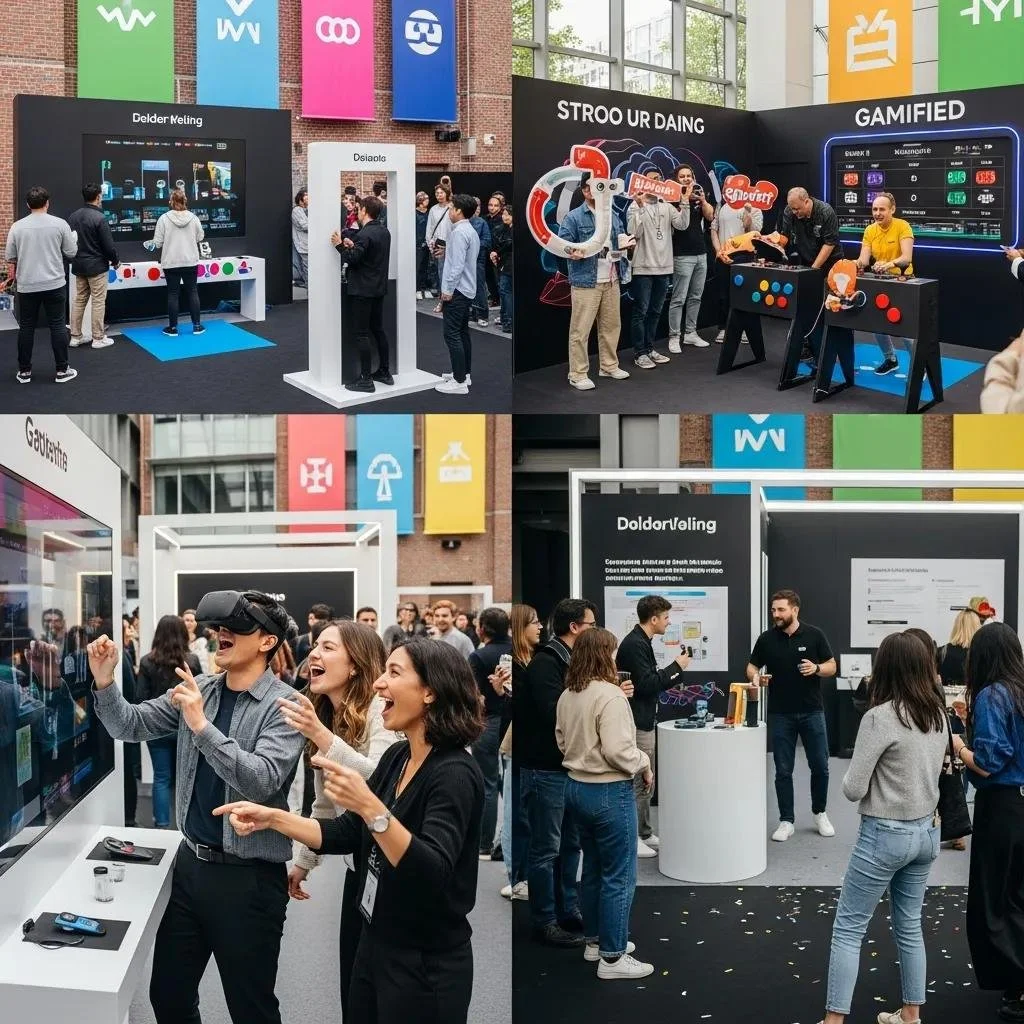
Interactive brand activations are essential for driving consumer participation and engagement. These activations can take various forms, such as live demonstrations, hands-on workshops, or gamified experiences. Successful examples include immersive installations that allow consumers to interact with products in a meaningful way. By creating opportunities for consumers to engage directly with the brand, companies can foster deeper connections and encourage word-of-mouth promotion.
How Can Immersive Technologies Like AI, AR, and VR Elevate Experiential Campaigns?

Barnastics is a full-service experiential marketing agency specializing in brand activations, pop-ups, and live experiences for consumer brands across fashion, beauty, wellness, and lifestyle categories.
Our team works hands-on across concept development, production strategy, logistics, staffing, and on-site execution—partnering with trusted production teams in major global markets to bring experiences to life. The insights in this guide are informed by real-world experiential campaigns, vendor coordination, and on-the-ground execution across diverse activation formats.
This article reflects how experiential marketing functions in practice—not just in theory—based on firsthand experience designing, producing, and measuring live brand experiences.
Immersive technologies such as artificial intelligence (AI), augmented reality (AR), and virtual reality (VR) are revolutionizing experiential marketing by creating engaging and interactive experiences. These technologies allow brands to craft unique narratives that captivate audiences and enhance their overall experience.
What Role Does Artificial Intelligence Play in Real-Time Personalization?
AI plays a crucial role in real-time personalization by analyzing consumer data to deliver tailored experiences. This technology enables brands to adjust their messaging and offerings based on individual preferences and behaviors, ensuring that each interaction is relevant and engaging. For example, AI can help brands predict customer needs and provide personalized recommendations, enhancing the overall customer journey.
How Are Augmented and Virtual Reality Used to Create Immersive Experiences?
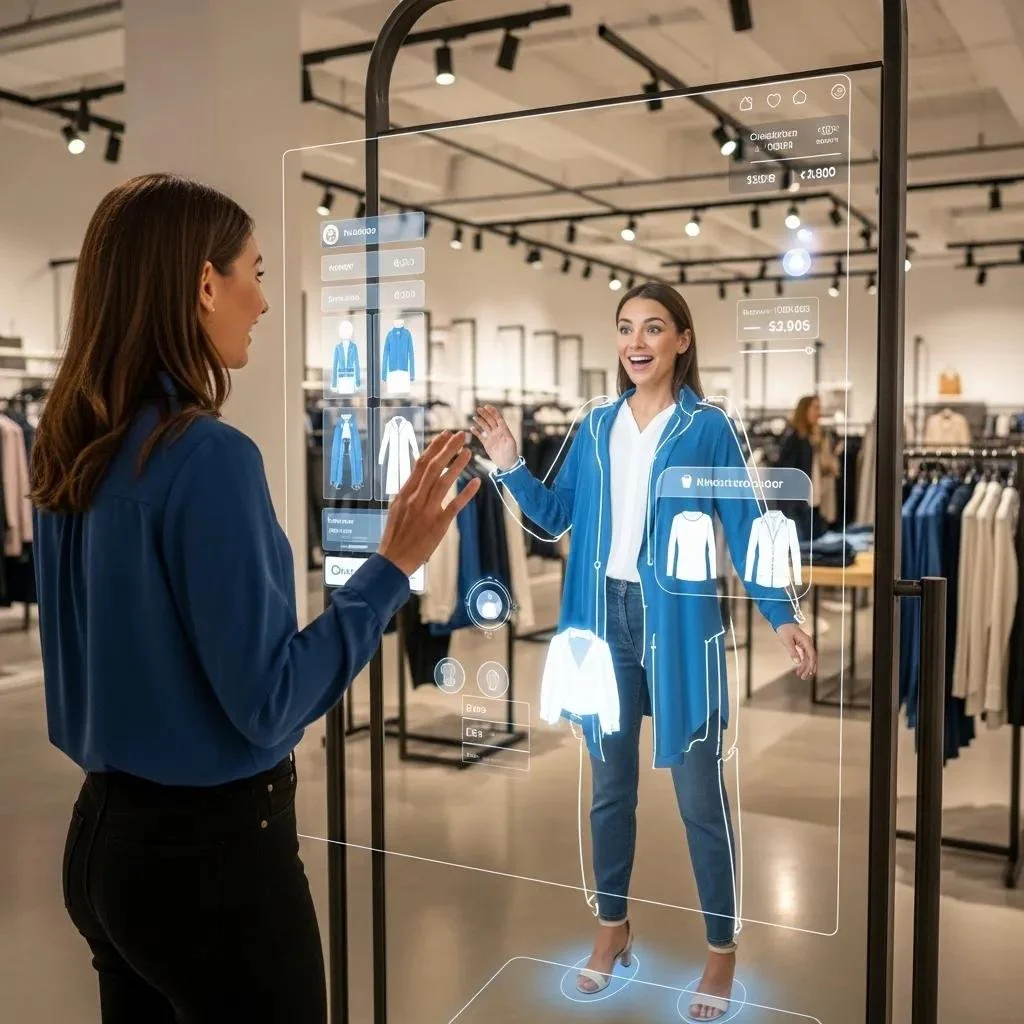
AR and VR technologies are increasingly used to create immersive experiences that transport consumers into a brand's world. These technologies allow for interactive storytelling, where consumers can engage with products in a virtual environment. For instance, a fashion brand might use AR to let customers virtually try on clothes, enhancing the shopping experience and increasing conversion rates. By leveraging these technologies, brands can create memorable experiences that resonate with consumers long after the interaction.
What Are the Best Practices for Measuring ROI and Impact in Experiential Marketing?
Measuring the return on investment (ROI) and impact of experiential marketing campaigns is essential for understanding their effectiveness. Brands must establish clear metrics and key performance indicators (KPIs) to evaluate success accurately.
Which Key Performance Indicators Accurately Reflect Engagement Success?
Key performance indicators (KPIs) for experiential marketing can include metrics such as attendance rates, social media engagement, and customer feedback. These indicators provide valuable insights into how well a campaign resonates with its audience. For example, tracking social media mentions and shares can help brands gauge the reach and impact of their experiential marketing efforts.
How Can Data Analytics Demonstrate Measurable Business Outcomes?
Data analytics plays a vital role in demonstrating measurable business outcomes from experiential marketing campaigns. By analyzing consumer behavior and engagement data, brands can identify trends and patterns that inform future strategies. This data-driven approach allows companies to optimize their campaigns for better results, ensuring that marketing efforts align with consumer preferences and expectations.
How Do Sustainable and Ethical Practices Influence Experiential Marketing Effectiveness?
Sustainability and ethical practices are becoming increasingly important in experiential marketing. Brands that prioritize these values can enhance their reputation and build stronger connections with consumers who share similar beliefs.
What Are the Benefits of Sustainable Design in Brand Activations?
Sustainable design in brand activations offers several benefits, including reduced environmental impact and enhanced brand loyalty. By incorporating eco-friendly materials and practices, brands can demonstrate their commitment to sustainability, appealing to environmentally conscious consumers. This approach not only helps the planet but also fosters a positive brand image that resonates with today's consumers.
How Can Ethical Event Planning Foster Positive Brand Reputation?
Ethical event planning is essential for fostering a positive brand reputation. By ensuring that events are inclusive, accessible, and respectful of diverse audiences, brands can create a welcoming environment that encourages participation. This commitment to ethical practices can enhance consumer trust and loyalty, ultimately leading to long-term success.
What Are Leading Examples of Experiential Marketing Campaigns That Maximize Engagement?
Examining successful experiential marketing campaigns can provide valuable insights into effective strategies and techniques. These case studies highlight the importance of creativity and innovation in engaging consumers. Every marketing campagin is unique to that brand.
Which Case Studies Showcase Successful Interactive and Immersive Experiences?
Several case studies illustrate the power of interactive and immersive experiences in experiential marketing. For example, a well-known beverage brand created a pop-up event that allowed consumers to create their own custom drinks, fostering engagement and excitement. These types of experiences not only attract attention but also encourage consumers to share their experiences on social media, amplifying the brand's reach.
How Do Community-Driven Brand Worlds and Co-Creation Enhance Consumer Loyalty?
Community-driven brand worlds and co-creation initiatives can significantly enhance consumer loyalty. By involving consumers in the creation process, brands can foster a sense of ownership and connection. For instance, a cosmetics brand that allows customers to participate in product development can create a loyal community of advocates who feel invested in the brand's success.
What Emerging Trends Will Shape Experiential Marketing Techniques in 2026 and Beyond?
As the marketing landscape evolves, new trends will shape the future of experiential marketing. Staying ahead of these trends is crucial for brands looking to maintain a competitive edge.
What Is the Future Impact of Mixed Reality and Festivalization Models?
Mixed reality and festivalization models are set to transform experiential marketing by creating immersive environments that blend physical and digital experiences. These models allow brands to craft unique narratives that captivate audiences and enhance engagement. As technology continues to advance, the potential for innovative experiential marketing strategies will only grow, offering exciting opportunities for brands to connect with consumers in meaningful ways.
Conclusion
Implementing effective experiential marketing techniques can significantly enhance brand engagement and foster lasting consumer relationships. By leveraging innovative strategies, immersive technologies, and sustainable practices, brands can create memorable experiences that resonate with their audience. Understanding these key elements empowers businesses to optimize their marketing efforts and drive measurable results. Discover how to elevate your brand's presence by exploring our comprehensive resources on experiential marketing today.
Written from the perspective of an experiential marketing agency actively producing and managing live brand activations for consumer brands.
Thinking about what your next brand moment could look like?
We help brands translate ideas into immersive, well-executed experiences that feel intentional and memorable.
Frequently Asked Questions
What are the key elements of a successful experiential marketing campaign?
A successful experiential marketing campaign typically includes several key elements: a clear understanding of the target audience, a compelling narrative that resonates with consumers, and interactive components that encourage participation. Additionally, leveraging technology, such as AR or VR, can enhance the experience. Effective promotion through social media and other channels is also crucial to attract attendees and maximize engagement. Finally, measuring success through defined KPIs helps brands refine their strategies for future campaigns.
How can brands ensure inclusivity in their experiential marketing efforts?
To ensure inclusivity in experiential marketing, brands should consider diverse audience needs during the planning phase. This includes selecting accessible venues, providing materials in multiple languages, and accommodating various physical abilities. Engaging with community representatives during the planning process can also provide valuable insights. By creating an environment that welcomes all participants, brands can foster a sense of belonging and enhance overall engagement, leading to a more positive brand perception.
What role does social media play in enhancing experiential marketing campaigns?
Social media plays a pivotal role in enhancing experiential marketing campaigns by amplifying reach and engagement. Brands can use platforms like Instagram, Facebook, and Twitter to promote events, share live updates, and encourage user-generated content. By creating unique hashtags and encouraging attendees to share their experiences, brands can generate buzz and extend the campaign's lifespan beyond the event itself. This online engagement can lead to increased brand visibility and foster community interaction.
How can brands effectively utilize feedback from experiential marketing events?
Brands can effectively utilize feedback from experiential marketing events by implementing structured post-event surveys and engaging with participants through follow-up communications. Analyzing this feedback helps identify strengths and areas for improvement, allowing brands to refine their strategies for future campaigns. Additionally, sharing positive testimonials and insights on social media can enhance brand credibility and attract new customers. Continuous improvement based on participant feedback is essential for long-term success in experiential marketing.
What are some innovative ways to incorporate sustainability into experiential marketing?
Innovative ways to incorporate sustainability into experiential marketing include using eco-friendly materials for event setups, offering digital alternatives to printed materials, and partnering with local vendors to reduce carbon footprints. Brands can also create experiences that educate consumers about sustainability, such as workshops on eco-friendly practices. By showcasing their commitment to sustainability, brands can resonate with environmentally conscious consumers and enhance their overall brand image.
How can brands measure the emotional impact of their experiential marketing campaigns?
Measuring the emotional impact of experiential marketing campaigns can be achieved through various methods, including qualitative feedback, sentiment analysis on social media, and biometric data collection. Surveys and interviews can capture participants' feelings and perceptions post-event. Additionally, analyzing engagement metrics, such as social media shares and comments, can provide insights into the emotional resonance of the campaign. Understanding emotional impact helps brands refine their messaging and enhance future experiences.