

What Brands Need to Know Before Launching a Pop-Up in Tokyo: Comprehensive Guide for Successful Experiential Marketing
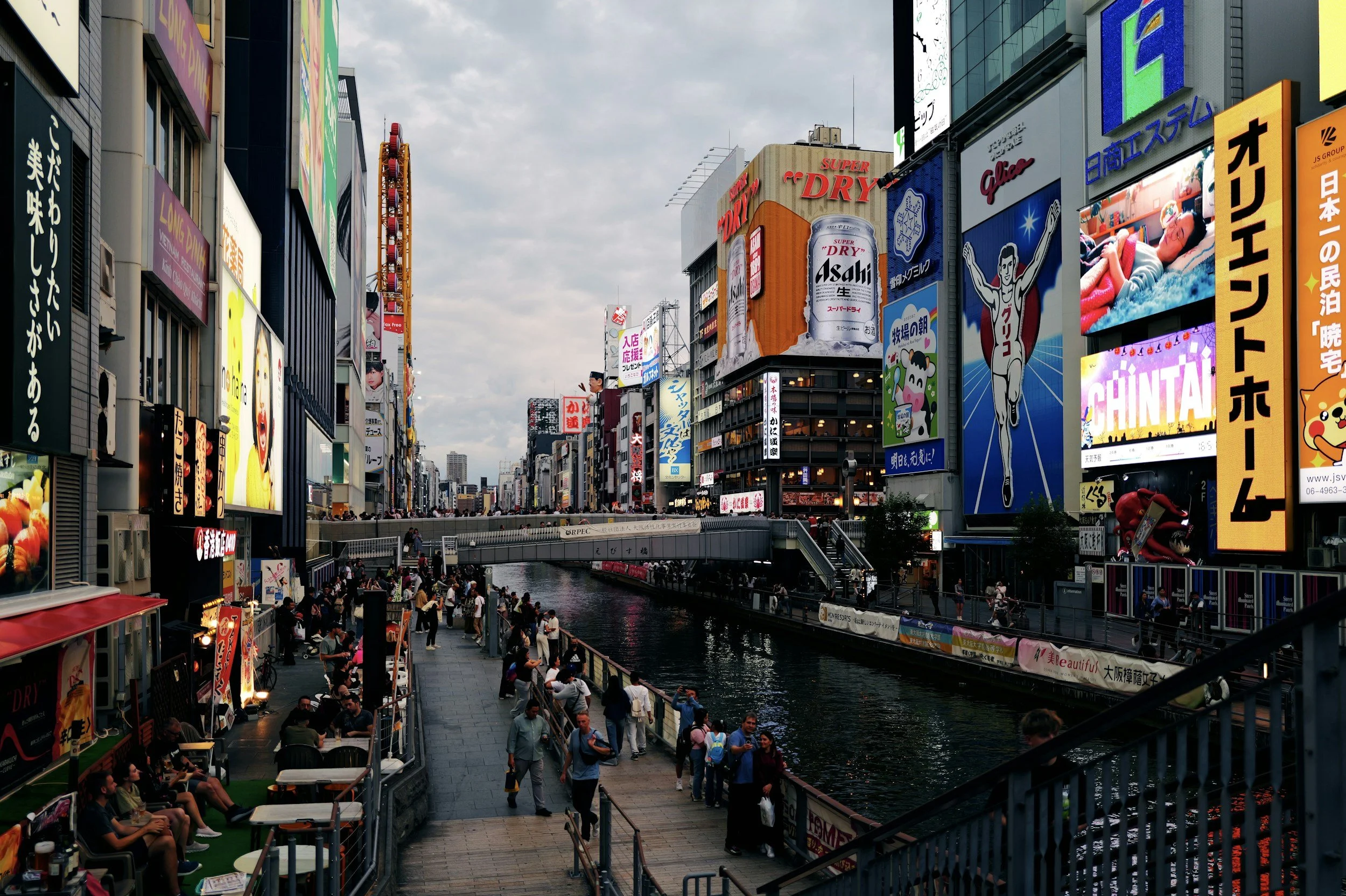
As a full-service experiential marketing agency executing brand activations, pop-ups, and immersive campaigns across major U.S. markets, we’ve seen firsthand how experiential marketing creates deeper, more memorable connections between brands and consumers. As brands increasingly look beyond domestic markets, cities like Tokyo have emerged as high-impact destinations for experiential campaigns—offering dense foot traffic, design-forward retail environments, and highly engaged consumers. However, activating in Tokyo requires a different approach than many Western markets, where cultural expectations, operational standards, and regulatory considerations play a far greater role in determining success.
This guide is designed to outline what brands need to understand before launching a pop-up in Tokyo, from market dynamics and location strategy to permits, cultural integration, logistics, and measurement. By breaking down these factors, the goal is to help brands approach Tokyo activations with clarity, realism, and a stronger foundation for long-term market relevance.
Launching a pop-up store in Tokyo can be a game-changer for brands looking to tap into one of the world’s most vibrant retail markets. This comprehensive guide will provide insights into the unique opportunities and challenges that come with setting up a temporary retail space in this bustling metropolis. Readers will learn about the market dynamics, consumer behaviors, and logistical considerations essential for a successful pop-up activation. Understanding the Tokyo market is crucial for brands aiming to create memorable experiences that resonate with local consumers. This article will cover key topics, including market opportunities, ideal locations, necessary permits, cultural integration, logistical considerations, and budgeting strategies.
Indeed, pop-up stores have become a versatile tool for brands globally, serving various strategic purposes beyond just sales.
Pop-Up Retail as a Strategic Tool for Brand Growth
Pop-up retail has evolved beyond short-term sales tactics and is now widely used as a strategic extension of broader brand, retail, and experiential marketing efforts. For brands entering new markets like Tokyo, pop-ups offer a controlled way to test physical presence, gather consumer insight, and build brand awareness without the long-term commitments of permanent retail.
Brands commonly use pop-up activations to:
Introduce products or concepts to a new market
Test physical retail formats before long-term expansion
Create immersive brand experiences that drive awareness and engagement
Generate content and earned visibility through in-person interaction
Build local relevance while maintaining global brand consistency
In markets like Tokyo, pop-ups are particularly effective when they are treated as experience-led touchpoints, not temporary storefronts. Success depends on clarity of purpose—whether the goal is market entry, brand storytelling, consumer insight, or long-term growth—and aligning execution accordingly.
Why Choose Tokyo for Your Pop-Up Store? Market Opportunities and Consumer Trends
Tokyo stands out as a premier destination for pop-up stores due to its dynamic retail environment and diverse consumer base. The city’s unique blend of tradition and modernity creates a fertile ground for innovative brand activations.
What Makes Tokyo's Retail Market Attractive for Global Brands?
Tokyo’s retail market is characterized by high foot traffic, particularly in areas like Shibuya and Ginza, where hundreds of thousands of consumers pass through daily. The city’s diverse demographic, ranging from young fashion enthusiasts to affluent professionals, offers brands a chance to engage with a wide audience. Additionally, Tokyo’s reputation for cutting-edge trends and technology makes it an ideal location for brands looking to showcase their latest products in an experiential format.
How Do Japanese Consumer Behaviors Influence Pop-Up Success?
Japanese consumer behavior places a strong emphasis on experience quality, presentation, and trust. Pop-up activations that succeed in Tokyo are typically those that feel intentional, well-executed, and culturally aligned rather than overly promotional or sales-driven.
Key consumer behavior considerations for Tokyo pop-ups include:
A strong preference for high-quality execution, including materials, finishes, and spatial design
Appreciation for thoughtful brand storytelling that feels authentic rather than overtly commercial
High expectations around aesthetics, cleanliness, and attention to detail
Greater engagement with pop-ups that offer immersive or participatory experiences, not just product displays
Sensitivity to tone, pacing, and interaction style, with less tolerance for aggressive selling tactics
Increased trust in brands that demonstrate respect for local culture and consumer norms
Pop-ups that account for these behaviors tend to create stronger emotional resonance, longer dwell times, and more meaningful brand connections in the Tokyo market.
Why This Matters for Experiential Marketing in Tokyo
In Tokyo, experiential marketing is less about spectacle and more about precision, care, and consumer experience quality. Activations that balance creativity with restraint and cultural awareness are more likely to generate positive word-of-mouth, repeat engagement, and long-term brand trust.
Which Tokyo Locations Are Best for Your Pop-Up? District Analysis and Rental Insights
Choosing the right location is critical for the success of a pop-up store in Tokyo. Different districts offer unique characteristics that can influence foot traffic and brand visibility.
What Are the Key Characteristics of Shibuya, Ginza, and Harajuku for Pop-Ups?
Shibuya – High-energy, trend-driven, and youth-oriented. Best suited for brands targeting Gen Z and younger millennial audiences, product drops, or culturally loud moments designed for visibility and social sharing.
Ginza – Tokyo’s luxury core. Ideal for premium, heritage, and high-end brands where environment, polish, and brand perception matter more than volume. Pop-ups here signal credibility and status.
Harajuku – Fashion-forward and experimental. Works well for brands looking to engage with subcultures, style communities, and visually expressive audiences, particularly in fashion, beauty, and streetwear.
Daikanyama – Design-led and understated. Attracts a creative, international, and high-spending audience. Best for lifestyle, wellness, fashion, and concept-driven brands prioritizing depth of engagement over raw foot traffic.
Aoyama – Editorial and architecture-focused. Popular with professionals, creatives, and global tastemakers. Suited for refined, story-driven pop-ups that feel intentional and brand-forward rather than promotional.
Roppongi – International and globally minded. Useful for brands testing cross-market messaging, hosting media-forward events, or engaging a mix of local and international audiences in a controlled, experiential setting.
How Do Rental Costs and Foot Traffic Vary Across Tokyo Districts?
How Do Rental Costs and Foot Traffic Vary Across Tokyo Districts?
Rental costs in Tokyo vary widely depending on district, format, and timing. Prime areas like Ginza command higher short-term rental premiums due to luxury positioning, stricter landlord requirements, and limited availability, while districts like Shibuya and Harajuku can offer more flexibility depending on the activation concept and target audience. Foot traffic patterns also play a critical role in site selection, with volume, intent, and dwell time shifting based on time of day, day of week, and surrounding retail mix.
When evaluating Tokyo districts for pop-ups, key considerations include:
Ginza – Highest short-term rental premiums, stricter lease terms, and more formal approval processes. Best suited for luxury, premium, and brand-led showcase activations where environment and perception outweigh volume.
Shibuya – Dense, fast-moving foot traffic with higher youth concentration and greater tolerance for experimental formats. Pricing can fluctuate widely depending on proximity to major crossings, transit exits, and retail corridors.
Harajuku – Moderate-to-high rental costs with strong weekend traffic driven by fashion, tourism, and cultural interest. More selective landlords favor brands aligned with the neighborhood’s identity and audience.
Daikanyama & Aoyama – Lower raw foot traffic but higher-quality engagement. Rental pricing reflects design-forward positioning and attracts brands prioritizing storytelling, lifestyle alignment, and longer dwell time over mass exposure.
Roppongi – Variable pricing depending on proximity to office hubs, cultural institutions, and nightlife zones. Foot traffic skews more international and professional, making it suitable for globally oriented or media-facing activations.
Across all districts, pricing and performance are influenced by:
Seasonality (spring and fall commanding higher demand)
Activation duration (short-term pop-ups often priced at a premium)
Space type (street-level vs. gallery vs. mall-integrated)
Foot traffic quality (intent-driven vs. pass-through volume)
Understanding these nuances allows brands to align budget, location, and activation goals—rather than defaulting to the most visible neighborhood without strategic fit.
What Permits and Regulations Must You Navigate for Pop-Up Stores in Tokyo?
Executing a pop-up in Tokyo requires a high level of operational precision. Logistics are not just a backend function here—they directly shape the guest experience, the timeline, and the viability of the activation itself. Brands entering the market need to plan for tighter schedules, stricter site controls, and less flexibility than they may be used to in other global cities.
Successful Tokyo pop-ups are built on early coordination, realistic timelines, and strong local execution partners.
Which Permits Are Required for Different Types of Pop-Up Events?
Permit requirements in Tokyo are determined by how a space is used, what activities take place, and whether the activation interacts with the public in regulated ways.
Common considerations include:
Temporary Use or Occupancy Approval
Required for short-term retail use in vacant storefronts, galleries, or non-retail spaces. Often coordinated through the landlord and local ward office.Food & Beverage Permissions
Any sampling, serving, or selling of food or beverages typically requires licensed food handlers, approved preparation areas, and compliance with local health department standards—even for packaged or complimentary items.Alcohol-Related Permissions
Alcohol service is tightly regulated and usually restricted to licensed venues or approved partners. Temporary brand-hosted service often requires collaboration with a licensed operator.Signage and Exterior Display Approvals
Street-facing signage, window treatments, or exterior installations may require additional approval depending on district zoning and building rules.Noise, Crowd, or Street Interaction Controls
Activations involving sound, queues, or street engagement may face restrictions, particularly in residential-adjacent areas or high-traffic districts.
How Do Japan's Advertising and Stealth Marketing Regulations Affect Brand Activations?
Japan enforces strict advertising standards, with particular scrutiny around misleading claims, undisclosed promotion, and stealth marketing. This directly affects experiential activations designed to feel organic or community-driven.
Key considerations include:
Clear brand attribution in experiential moments
Transparency when content is intended for promotion or media capture
Careful coordination with influencers, ambassadors, or street teams to ensure disclosure norms are respected
Rather than limiting creativity, these regulations reward brands that prioritize trust, clarity, and cultural respect—often resulting in stronger long-term brand perception.
At Barnastics, we navigate these requirements by working closely with local production partners and advisors, ensuring every activation balances creative ambition with regulatory precision.
How Can Brands Integrate Japanese Culture for Effective Pop-Up Experiences?
Cultural integration is vital for brands looking to resonate with Japanese consumers. Understanding local customs and values can enhance the effectiveness of pop-up experiences.
What Is Omotenashi and How Does It Enhance Customer Engagement?
Omotenashi , the Japanese concept of hospitality, emphasizes anticipating customer needs and providing exceptional service. Brands that embody this principle can create memorable experiences that foster customer loyalty. For example, offering personalized services or unique product demonstrations can enhance engagement and leave a lasting impression.
This deep-rooted concept of hospitality goes beyond mere service, focusing on a profound connection and anticipation of guest needs.
In Japan, omotenashi refers to a deeply ingrained approach to hospitality that emphasizes anticipation, attentiveness, and respect for the guest experience. Unlike transactional service models that focus primarily on efficiency or sales, omotenashi centers on creating a seamless, thoughtful interaction where needs are met before they are explicitly stated.
In the context of pop-up stores and experiential activations, this principle has direct implications for how brands design customer journeys, train staff, and structure in-person interactions. Details such as greeting etiquette, pacing of service, product explanations, and spatial flow all contribute to how a brand is perceived. Pop-ups that successfully integrate omotenashi tend to feel intentional, calm, and respectful—qualities that resonate strongly with Japanese consumers.
For global brands, understanding omotenashi is less about adopting a scripted service style and more about aligning experiential design with local expectations around care, precision, and trust.
Adapting design and messaging to align with local aesthetics is essential. Japanese consumers appreciate minimalistic designs and high-quality materials. Brands should also consider incorporating cultural symbols and themes that resonate with local values, ensuring their messaging is both relevant and respectful.
What Are the Logistics and Operational Considerations for Tokyo Pop-Up Events?
Logistical planning is a critical component of executing a successful pop-up in Tokyo. Brands must consider various operational factors to ensure smooth execution.
How to Manage Shipping, Local Warehousing, and Setup in Tokyo?
Shipping and setup in Tokyo demand advance planning and local infrastructure. International freight timelines, customs clearance, and last-mile delivery windows are often more rigid, particularly in dense commercial districts.
Most successful activations rely on:
Local warehousing to stage materials close to the site
Precise delivery scheduling aligned with building access hours
Compact, efficient build plans that respect space constraints and noise rules
Overbuilding or last-minute changes can quickly create friction, so clarity and restraint are essential.
What Are Best Practices for Staffing and Training with Japanese Labor Laws?
Staffing in Tokyo is less about volume and more about alignment. Front-facing teams must be trained not only on brand messaging, but also on pacing, guest flow, and interaction style. Japanese audiences tend to value attentiveness, clarity, and calm confidence over high-energy engagement.
Operational teams must also account for:
Clear role definitions on-site
Structured run-of-show planning
Strict adherence to venue rules and timing
When staffing and operations are thoughtfully aligned, the experience feels effortless to guests—even though it is tightly controlled behind the scenes.
How to Budget and Measure Success for Your Tokyo Pop-Up Activation?
Budgeting for a Tokyo pop-up is not just a financial exercise—it’s a timing and planning exercise. Unlike some markets where teams can move quickly or adjust late in the process, Japan operates on longer lead times, clearer approvals, and structured coordination across venues, vendors, and production partners.
Brands planning pop-ups in Tokyo should expect that last-minute requests, compressed timelines, and fluid scopes are far less workable. Early alignment is essential not only for cost control, but for securing the right partners, locations, and execution standards.
Successful activations are typically those planned well in advance, with defined objectives, realistic schedules, and respect for local working norms.
What Are Typical Costs and ROI Metrics for Pop-Up Stores in Tokyo?
Costs for pop-up stores in Tokyo can vary widely depending on district, format, size, and duration. Rather than relying on fixed price ranges, brands should plan for several core cost categories and evaluate success through a combination of commercial and brand-focused metrics.
Typical cost considerations for Tokyo pop-ups include:
Short-term rental or venue fees, which can vary significantly by district and landlord requirements
Production, build-out, and restoration costs tied to space condition and activation complexity
Staffing and training aligned with local service expectations and labor regulations
Permits, compliance, and venue-related approvals
Marketing, content capture, and amplification to drive awareness and foot traffic
Logistics, shipping, and potential customs or local warehousing needs
ROI is often measured using a mix of quantitative and qualitative metrics, such as:
Sales performance relative to space size and activation duration
Customer acquisition cost and conversion quality
Engagement levels, dwell time, and interaction depth
Brand awareness lift and local market perception
Content performance and earned media impact
Strategic market learnings that inform future activations or long-term expansion
This approach allows brands to assess pop-up performance in Tokyo beyond immediate sales, accounting for brand equity, audience engagement, and long-term market value.
How to Collect Data and Plan Post-Pop-Up Market Strategies?
In Tokyo, post-pop-up strategy should be planned before the activation ever opens. Data collection is most effective when it is intentional, discreet, and aligned with Japanese consumer expectations around privacy, trust, and quality of interaction.
Rather than relying on aggressive data capture or overt sales tactics, brands should focus on high-quality signals that reflect genuine interest, brand perception, and long-term market potential.
Effective data and insight collection strategies in Tokyo include:
In-person qualitative feedback gathered through trained staff conversations rather than pushy surveys
Opt-in digital touchpoints such as QR codes linking to localized landing pages, content, or post-event follow-ups
Product interaction tracking, including dwell time, repeat engagement, and which experiences draw the most attention
Content performance signals, such as organic social sharing, press mentions, and creator amplification following the activation
Retail and partnership inquiries generated after the pop-up, which often signal stronger market traction than on-site sales alone
Because Japanese consumers tend to engage thoughtfully and over time, success is often revealed after the pop-up ends—through continued interest, follow-up conversations, and brand credibility rather than immediate volume.
Post-pop-up strategy should focus on translating insights into next steps, such as refining product positioning, identifying ideal districts for future activations, adjusting pricing or messaging, and determining whether the market supports longer-term retail, partnerships, or repeat activations.
In Tokyo, the most successful pop-ups are treated not as one-off moments, but as market entry tests that inform smarter, more culturally aligned growth.
Conclusion
Launching a pop-up store in Tokyo presents unique opportunities for brands willing to navigate the complexities of the market. By understanding consumer behaviors, choosing the right locations, complying with regulations, integrating cultural elements, and managing logistics effectively, brands can create impactful experiences that resonate with local consumers. For brands looking to make a significant impact, partnering with an experiential marketing agency like Barnastics can provide the expertise needed to execute successful pop-up activations in this vibrant city.
Thinking about what your next brand moment could look like in Tokyo?
We help brands translate ideas into immersive, well-executed experiences that feel intentional and memorable.
Frequently Asked Questions
-
Brands often encounter several challenges when launching a pop-up in Tokyo, including navigating complex regulations, understanding local consumer preferences, and managing logistics. The competitive nature of the market means that brands must differentiate themselves through unique experiences. Additionally, securing the right location can be difficult due to high demand and rental costs. Cultural nuances also play a significant role, as brands must ensure their messaging resonates with local values and aesthetics to avoid miscommunication.
-
Effective marketing for a pop-up store in Tokyo involves a multi-channel approach. Brands should leverage social media platforms popular in Japan, such as LINE and Instagram, to create buzz before the launch. Collaborating with local influencers can also enhance visibility and credibility. Additionally, utilizing eye-catching signage and engaging in community events can attract foot traffic. Offering exclusive promotions or limited-time products can further entice consumers to visit the pop-up, creating a sense of urgency and excitement.
-
Technology plays a crucial role in enhancing the pop-up experience in Tokyo by facilitating interactive and immersive engagements. Brands can utilize augmented reality (AR) to create unique product demonstrations or virtual try-ons, making the shopping experience more engaging. Mobile payment solutions streamline transactions, catering to tech-savvy consumers. Additionally, data analytics tools can help brands track customer interactions and preferences, allowing for real-time adjustments to marketing strategies and product offerings, ultimately improving customer satisfaction and sales.
-
Measuring the success of a pop-up store in Tokyo involves analyzing various metrics. Key performance indicators (KPIs) include sales figures, foot traffic, and customer engagement levels. Brands should also collect customer feedback through surveys or social media interactions to gauge satisfaction. Tracking social media mentions and brand awareness can provide insights into the pop-up's impact on the brand's overall visibility. Additionally, comparing these metrics against pre-defined goals can help assess the return on investment (ROI) and inform future strategies.
-
Creating a memorable experience at a pop-up involves engaging consumers through unique and interactive elements. Brands can incorporate hands-on activities, such as workshops or product demonstrations, to encourage participation. Personalization is key; offering tailored recommendations or exclusive products can enhance the connection with consumers. Additionally, integrating local culture and aesthetics into the design and messaging can resonate with the audience. Finally, ensuring exceptional customer service, in line with the Japanese concept of omotenashi , can leave a lasting impression and foster loyalty.
-
Ensuring compliance with local laws during a pop-up activation in Tokyo requires thorough research and planning. Brands should familiarize themselves with the necessary permits and regulations, including those related to occupancy, food service, and advertising. Consulting with local legal experts or agencies can provide valuable guidance on navigating the regulatory landscape. Additionally, maintaining transparency in marketing practices and adhering to consumer protection laws is essential to build trust and avoid potential penalties, ensuring a smooth and successful activation.