
Elevate Your Brand with Experiential Marketing

As a full-service experiential marketing agency executing brand activations, pop-ups, and immersive campaigns across major U.S. markets, we’ve seen firsthand how experiential marketing creates deeper, more memorable connections between brands and consumers. Industry projections continue to point toward strong growth in experiential marketing, reinforcing its role as a core strategy for modern brands.
This article explores the experiential marketing strategies that consistently drive engagement, loyalty, and real-world impact—drawing from both industry trends and our hands-on experience planning and producing live brand experiences.
Experiential marketing is a strategy that engages consumers through live, sensory, and participatory brand moments. This article outlines services offered by experiential marketing agencies, the benefits they deliver, and practical steps to get started. When brands struggle to stand out, experiential tactics create memorable, emotional connections that drive loyalty.
What Are Experiential Marketing Agency Services and Their Benefits?
These services create immersive experiences that build emotional connections and increase engagement. They help brands differentiate themselves, boost loyalty, and encourage advocacy through tailored, memorable interactions.
How Do Brand Experience Agencies Enhance Consumer Engagement?
Brand experience agencies use interactive installations, live events, and pop-ups to prompt active participation. Immersive, hands-on demos shape perception and deepen brand activations, often improving interaction rates and satisfaction.
What Makes Event Activation Services Effective for Brands?
Event activations provide controlled settings for demonstrations, storytelling, and personalized moments. Clear objectives, targeted audiences, and creative execution produce measurable lifts in awareness, social engagement, and sales.
Which Immersive Marketing Solutions Does a Leading Experiential Marketing Firm Offer?
Top firms offer pop-ups, interactive installations, and digital experiences that leverage technology to increase reach and engagement.
How Do Pop-Up Experiences and Interactive Installations Drive Brand Loyalty?
Temporary pop-ups and interactive installations create urgency and exclusivity while delivering memorable encounters that spark social sharing and repeat interest. Experiential marketing is a crucial component of this approach.
What Role Do Mixed Reality and AI Play in Modern Experiential Campaigns?
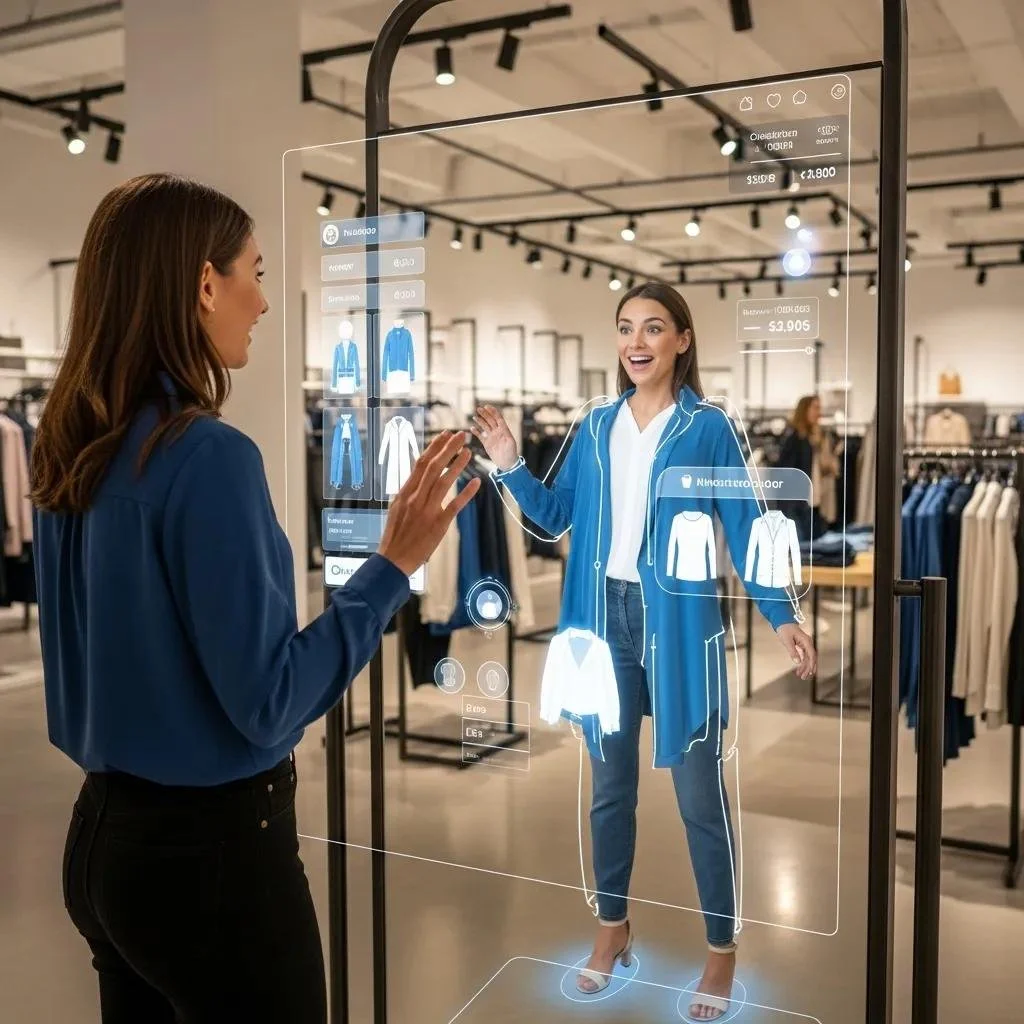
Technology has become a powerful enabler in experiential marketing, allowing brands to design more immersive, responsive, and personalized experiences. Mixed reality and artificial intelligence are increasingly used to enhance how audiences interact with physical spaces, content, and brand narratives — especially in live environments.
From pop-ups to large-scale brand activations, mixed reality helps blend physical installations with digital layers such as interactive visuals, guided storytelling, or product education. These tools allow brands to extend the experience beyond what’s physically present, encouraging exploration, participation, and longer engagement.
Artificial intelligence plays a complementary role by helping brands personalize experiences at scale. AI can support adaptive content, smarter data capture, and more intentional post-event follow-up — allowing brands to understand how audiences interacted with an experience and refine future campaigns accordingly.
When used thoughtfully, these technologies don’t replace human connection — they support it. The most effective experiential campaigns use technology to remove friction, deepen immersion, and reinforce the emotional impact of the brand moment itself. The result is an experience that feels intentional, memorable, and aligned with how modern consumers expect to engage with brands.
Why Choose a Top Experiential Marketing Agency for Your Brand Activation?
A top experiential agency brings strategy, creative execution, and consumer insight to maximize the impact of brand activations and ensure the experience supports broader marketing goals.
What Unique Value Propositions Differentiate Leading Brand Experience Agencies?
Leading agencies stand out through industry specialization, inventive creative approaches, access to advanced technology, and documented results shown in client testimonials and case studies.
How Do Case Studies Demonstrate Measurable ROI from Experiential Marketing?
Case studies reveal ROI by tracking awareness, engagement, and sales. They illustrate how planning, execution, and post-event follow-up contribute to measurable outcomes.
How Can You Get Started with Experiential Marketing Services for Your Brand?
Getting started begins with defining objectives, target audiences, and the core messages you want the experience to convey.
What Is the Typical Process from Strategy to Execution in Experiential Marketing?
The usual phases are research and planning, creative development, execution, and evaluation — each step informs the next to keep the campaign focused and measurable.
How Do You Measure and Optimize the Success of Experiential Campaigns?
Track attendance, engagement, social metrics, and conversions, and collect participant feedback so you can refine creative elements and logistics for future activations.
EAV Table: Immersive Marketing Solutions Comparison
Immersive Marketing Solutions Comparison
Pop-Up Events
Key Features: Temporary installations, exclusivity
Benefits: Increased brand awareness, urgency
Interactive Installations
Key Features: Hands-on experiences, technology integration
Benefits: Enhanced engagement, memorable interactions
Digital Experiences
Key Features: Virtual reality, augmented reality
Benefits: Broader reach, innovative storytelling
List of Benefits of Experiential Marketing
Key benefits that strengthen a brand's relationship with its audience include:
Increased Engagement: By creating interactive experiences, brands can foster deeper connections with consumers.
Enhanced Brand Loyalty: Memorable experiences lead to stronger emotional ties, encouraging repeat business.
Greater Brand Awareness: Unique activations generate buzz and attract attention, increasing visibility in the marketplace.
These core benefits illustrate why brands invest in experiential strategies.
Conclusion
Experiential marketing offers brands the opportunity to create lasting emotional connections with consumers through immersive and interactive experiences. By leveraging tailored strategies, brands can enhance engagement, boost loyalty, and increase visibility in a competitive marketplace. Embrace the power of experiential marketing to elevate your brand's presence and impact. Discover how our expert team can help you craft unforgettable brand experiences today.
Frequently Asked Questions
-
Experiential marketing invites participation and builds emotional connections through immersive events, whereas traditional marketing often uses one-way channels like ads; the former focuses on memorable interactions that can drive loyalty.
-
Small businesses can use local events, pop-ups, or interactive demos to generate word-of-mouth and social buzz, create direct customer relationships, and showcase products memorably on a modest budget.
-
Notable examples include Coca-Cola's "Share a Coke" personalization and IKEA's AR "IKEA Place" app; both used experiential marketing or immersive tech to boost engagement and sharing.
-
By creating emotional, hands-on encounters, experiential marketing increases positive brand associations and advocacy and can prompt immediate purchases or long-term loyalty.
-
Common challenges include budget limits, logistics, creative execution, and measuring emotional impact; clear objectives and mixed qualitative/quantitative metrics help address these hurdles.
-
Design for accessibility, offer multilingual support, consider cultural relevance, and consult community representatives to create welcoming, inclusive experiences.