

Immersive Brand Experiences and Experiential Marketing Explained
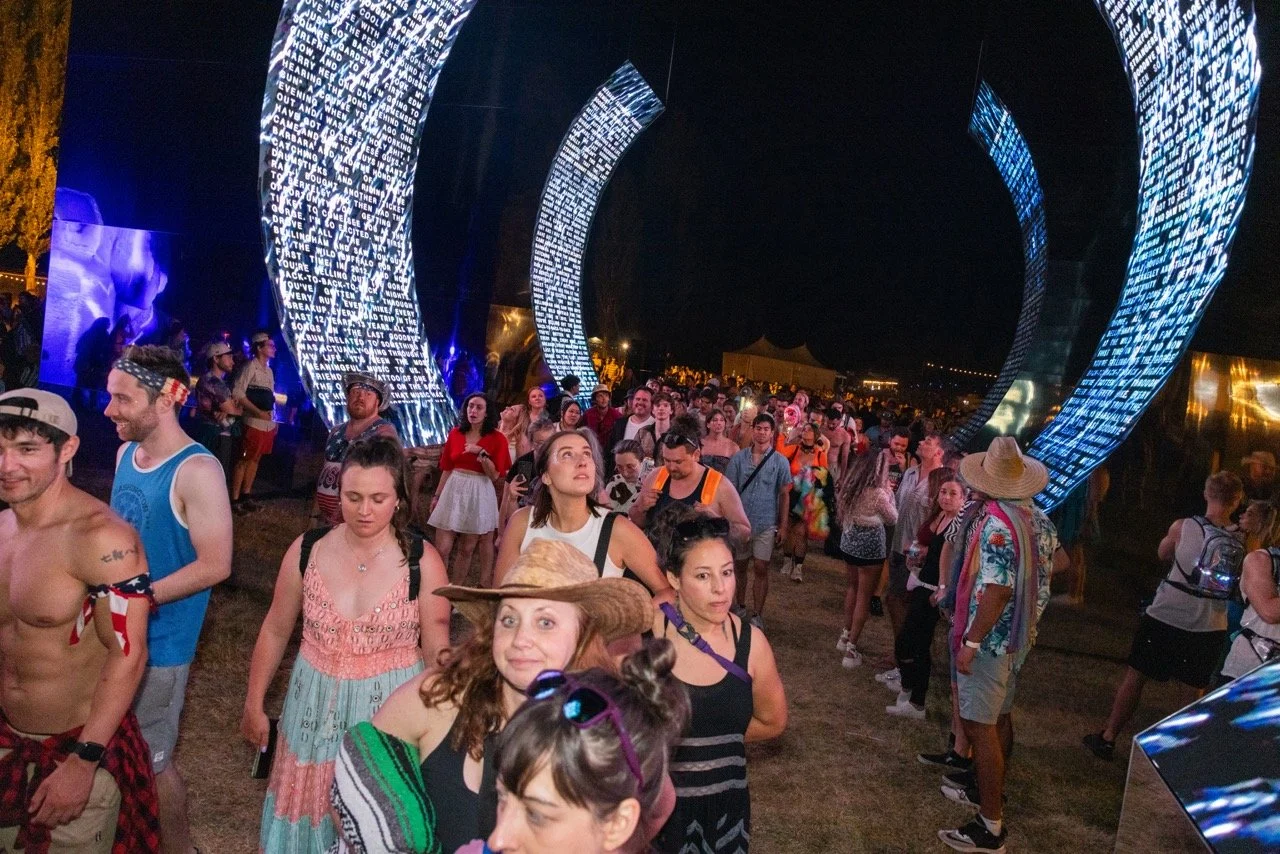
Engage With Immersive Brand Experiences
As a full-service experiential marketing agency executing brand activations, pop-ups, and immersive campaigns across major U.S. markets, we’ve seen firsthand how immersive brand experiences drive stronger engagement, recall, and consumer action than traditional marketing channels. As audiences become more selective about where they spend their time and attention, brands are increasingly turning to experiential marketing to create moments that feel intentional, interactive, and worth showing up for.
Immersive brand experiences—ranging from pop-ups and mobile tours to interactive installations and technology-enabled environments—allow brands to move beyond awareness and into real-world connection. However, building an effective immersive experience requires more than creativity alone. Format selection, audience behavior, sensory design, technology integration, and measurement all play a critical role in determining whether an activation simply looks good or actually performs.
This guide breaks down what brands need to understand when developing immersive brand experiences, including experiential strategy, activation formats, the role of pop up containers, multi-sensory design, emerging technology, and performance measurement. By outlining these elements clearly, the goal is to help brands approach experiential marketing with clarity, practicality, and a stronger foundation for long-term impact.
What Is an Immersive Brand Experience—and Why Does It Matter?
An immersive brand experience places people inside a brand story instead of talking at them from the outside. It uses interaction, environment, and emotion to turn a message into a moment.
These experiences consistently outperform passive advertising because people remember what they participate in. When someone walks through a branded space, interacts with a product, or shares an experience socially, the connection is deeper—and far more durable. For more insights, check out the experiential marketing strategies.
Immersive Brand Activation vs. Experiential Marketing
Immersive brand activation refers to the execution: the pop-up, installation, event, or environment where people engage with a brand firsthand.
Experiential marketing is the broader strategy behind those moments. It’s the discipline that designs experiences to be:
interactive instead of passive
emotionally resonant instead of informational
memorable instead of forgettable
Together, they form the foundation of modern brand engagement.
How Immersive Experiences Drive Engagement and Emotional Connection
Immersive formats invite people to participate—not observe. That participation changes how brands are perceived and remembered. brand activations are an essential aspect of this.
Live events, interactive installations, and community-driven activations—whether built in permanent spaces or deployed through mobile pop up containers—create a sense of involvement and belonging. People don’t just see the brand; they experience it through experiential marketing.
This “pull” approach is one of the core reasons experiential marketing works. Instead of interrupting attention, it earns it.
How to Develop an Effective Experiential Marketing Strategy
Strong experiential campaigns don’t happen by accident. They’re built around clarity, intention, and measurement.
Start With the Audience
Every successful activation begins with understanding who the experience is for. Audience research helps uncover:
motivations and behaviors
cultural context
how and where people prefer to engage
This insight informs everything—from design and messaging to location and format.
Set Clear Goals From the Start
Experiential marketing works best when it’s tied to specific outcomes. These might include:
attendance or foot traffic
social engagement and sharing
lead capture or product trial
brand lift or recall
Clear goals make it easier to measure success and refine future activations.
Key Types of Brand Engagement Events
Different experiential formats serve different goals. Choosing the right one depends on reach, interaction level, and the story a brand wants to tell.
Pop-Ups, Mobile Tours, and Interactive Installations
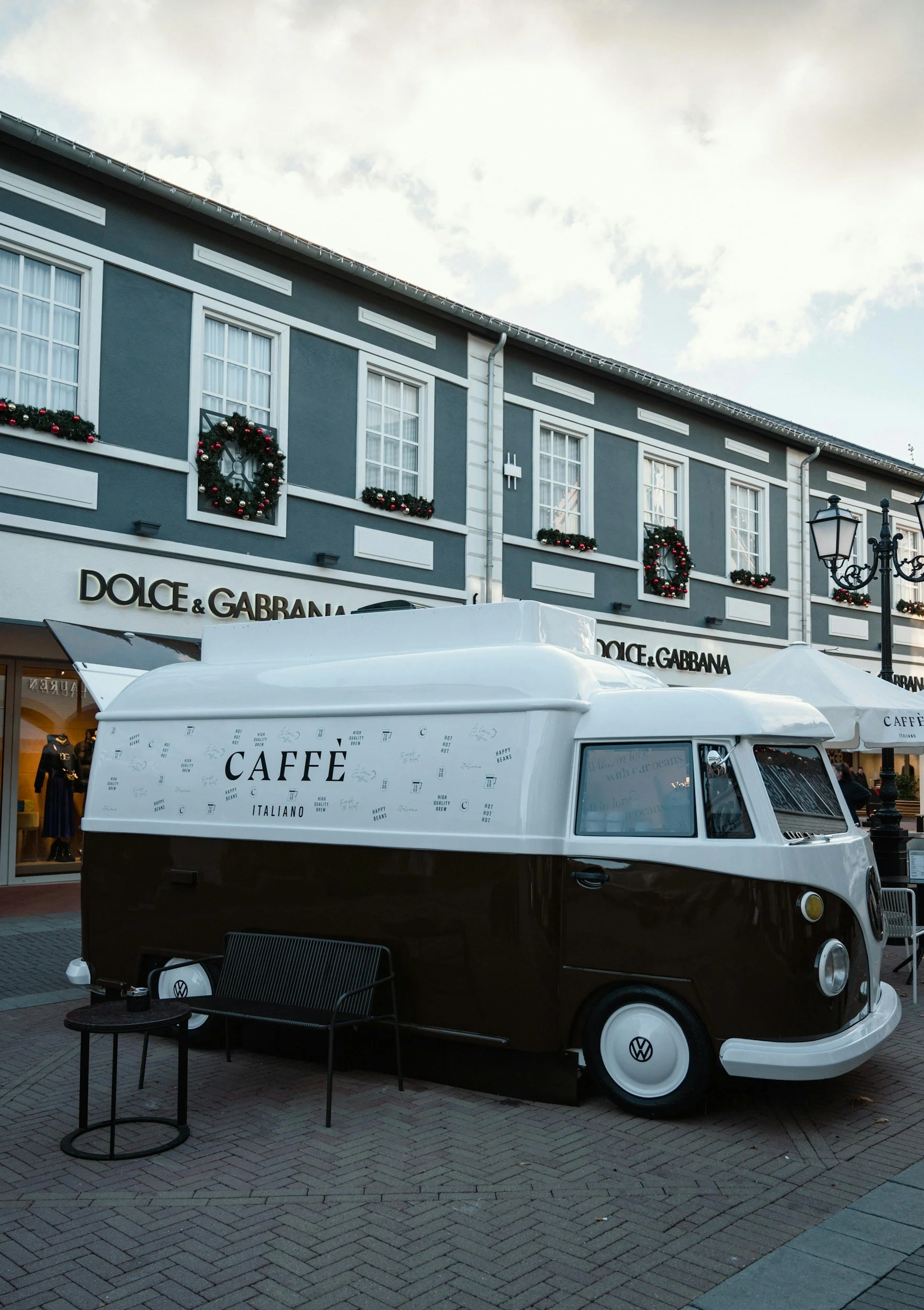
Pop-up experiences are one of the most versatile activation formats. Often housed within custom pop up containers, they allow brands to: experiential marketing
activate quickly in multiple locations
create highly branded environments
generate urgency and shareability
Mobile tours extend this reach even further, bringing the brand directly to new audiences. Interactive installations focus on hands-on engagement, encouraging exploration and participation. experiential marketing.
Each format trades permanence for immediacy—and that novelty is often what makes them effective.
Designing Multi-Sensory Experiences That Stick
The most impactful immersive brand experiences engage more than one sense.
Sight, sound, touch—and sometimes taste or scent—work together to create stronger memory formation. A product demo paired with dynamic visuals, ambient sound, or tactile interaction becomes far more memorable than a static display.
Pop up containers are especially effective for this because they can be fully designed around sensory flow, turning almost any location into a controlled brand environment.
How Technology Is Shaping Experiential Marketing
Technology has expanded what experiential marketing can deliver—without replacing the physical experience.
AR, VR, and Mixed Reality
Augmented and virtual reality add digital layers to physical spaces, allowing brands to:
visualize products in new ways
transport visitors into simulated environments
create highly shareable moments
These tools are particularly powerful when integrated into purpose-built spaces like pop up containers, where lighting, layout, and interaction can be optimized for immersion.
AI and Personalization
AI enables real-time personalization during activations. By responding to behavior, preferences, or inputs, experiences can adapt on the fly—making interactions feel more relevant and intentional.
This combination of data and design helps brands move from one-size-fits-all activations to experiences that feel tailored.
Common Experiential Event Types and Their Benefits
Pop-Up Experiences (including Pop Up Containers) Temporary, highly customizable brand activations deployed in strategic locations. Benefits: High brand visibility, urgency, mobility, and rapid deployment.
Mobile Tours Traveling experiences that bring the brand directly to multiple markets. Benefits: Expanded reach, accessibility, and consistent engagement across locations.
Interactive Installations Hands-on environments designed to encourage exploration and participation. Benefits: Deeper emotional connection, higher engagement, and stronger recall.
Each format offers different advantages, but pop up containers stand out for their flexibility and scalability.
Why Immersive Brand Experiences Matter More Than Ever
Experiential marketing helps brands stand out in an environment saturated with ads and content. As technology evolves and consumer expectations rise, immersive experiences offer something people still value: real connection.
When done well, these activations don’t just generate buzz—they build relationships.
Frequently Asked Questions About Experiential Marketing
What are the benefits of immersive brand experiences? They increase engagement, improve recall, and strengthen brand loyalty. Memorable experiences encourage sharing, advocacy, and long-term value.
How do brands measure experiential marketing success? Through KPIs like attendance, dwell time, social engagement, lead capture, and post-event sentiment.
Why is audience research important? Because relevance drives participation. Research ensures experiences resonate with the people they’re designed for.
How does technology enhance immersive experiences? AR and VR add depth, AI personalizes interactions, and analytics help measure performance and improve outcomes.
What are examples of successful immersive brand experiences? Interactive pop-ups, surprise activations, product-led experiences, and community-driven events—often deployed through flexible pop up containers.
How can brands ensure inclusivity? By designing for accessibility, cultural awareness, and diverse participation from the start.
Conclusion
Immersive brand experiences aren’t a trend—they’re a response to how people want to engage with brands today. By combining thoughtful strategy, creative execution, and formats like pop up containers, brands can create experiences that feel meaningful instead of manufactured.
When experiential marketing is done right, it doesn’t just attract attention—it earns it.