

Integrated Marketing Meets Experiential: How Modern Brands Build Campaigns That Actually Convert
As a full-service experiential marketing agency executing brand activations, pop-ups, and immersive campaigns across major U.S. markets, we’ve seen a clear shift in how brands approach growth. Experiential marketing is no longer operating in isolation. It’s being folded into broader, integrated marketing campaigns designed to drive sustained visibility and measurable impact.
This shift isn’t anecdotal. Brands are realizing that experiential works best when it is connected to influencer strategy, content capture, PR, and digital amplification. A great event can spark attention, but integrated marketing is what helps that attention compound.

What’s changed is how brands extend that impact. Instead of relying on a single moment, they’re building campaigns that begin before the event, scale during it, and continue long after it ends.
What Integrated Marketing Actually Means Today
Integrated marketing is often defined as aligning channels, but in practice, it’s about creating a consistent brand presence across every touchpoint a consumer encounters.
A consumer might discover a brand through an influencer, see it again in a press feature, attend a pop-up activation, and later engage with paid media or organic content. When those moments are connected, the experience feels intentional rather than fragmented.
Harvard Business Review has highlighted research showing that omnichannel customers tend to be more valuable than single-channel customers, with multi-channel engagement linked to higher spending behavior.
Why Experiential Marketing Alone Is No Longer Enough
Experiential marketing remains one of the most effective tools for creating emotional engagement, but when it operates alone, its reach is inherently limited.
Even the most well-executed activation is confined to the audience physically present, and its impact often fades quickly without continued exposure. This is where many brands fall short. They invest heavily in production, but not in amplification.
According to Nielsen, content shared by individuals receives significantly higher trust than traditional advertising, with 92% of consumers trusting earned media and peer recommendations above all other forms of marketing. Without integrating influencer strategy, content distribution, and PR into an experiential campaign, brands leave that trust — and reach — untapped.
The Shift Toward Integrated Experiential Marketing
What we’re seeing across industries like beauty, fashion, and wellness is a move toward campaigns that are designed to exist across multiple layers at once.
An activation is no longer just a physical environment. It is a content engine, a PR moment, and a social media catalyst.
Before an event begins, audiences are already aware of it through teaser campaigns, influencer seeding, and targeted outreach. During the event, the focus extends beyond the in-person experience to how it is captured and shared. Afterward, the content continues to circulate, often reaching far beyond the original audience.
Data from Statista shows that marketers consider integrated, multi-channel campaigns more effective than single-channel efforts, reinforcing what we see in practice every day.
What an Integrated Experiential Campaign Looks Like in Practice
In practice, integrated experiential marketing works best when the campaign is built in phases rather than treated as a one-day event. Before the experience goes live, brands can build anticipation through creator seeding, teaser content, press outreach, email, and paid social. During the activation, the focus shifts to the live guest experience, content capture, social sharing, and real-time engagement. After the event, the strongest campaigns continue through recap content, influencer coverage, PR placements, retargeting, and follow-up messaging that keeps the brand visible after the physical moment ends.
This is where many brands either gain momentum or lose it. If the event is only designed for the people in the room, the impact stays small. If the event is designed as part of a wider campaign, the same activation can generate awareness, content, social proof, and longer-term brand recall across multiple channels.
Where Integrated Marketing Drives Real ROI
The performance advantage of integrated marketing campaigns comes down to reach, repetition, and retention.
When experiential is part of a larger ecosystem, the audience expands beyond attendees to include digital viewers, media audiences, and social communities. The same activation that might reach a few hundred people in person can reach tens or hundreds of thousands through content and amplification.
There’s also a multiplier effect when it comes to content. A single event can generate weeks of material across platforms, allowing brands to extend their investment far beyond the initial production.
According to the Content Marketing Institute, brands that prioritize content as part of their strategy see significantly higher engagement rates and stronger audience retention over time. When experiential marketing is designed with content in mind from the start, it becomes far more valuable.
The Role of an Experiential Marketing Agency Today
As expectations shift, so does the role of an experiential marketing agency.
Execution is no longer the differentiator. Strategy is.
Brands are looking for partners who understand how an activation fits into a broader campaign. That means thinking about audience journey, content strategy, influencer alignment, and post-event amplification from the very beginning.
At Barnastics, this is how we approach every project. We don’t treat events as standalone deliverables. We treat them as central moments within integrated marketing campaigns that are designed to perform across channels.
How Barnastics Builds Integrated Marketing Campaigns
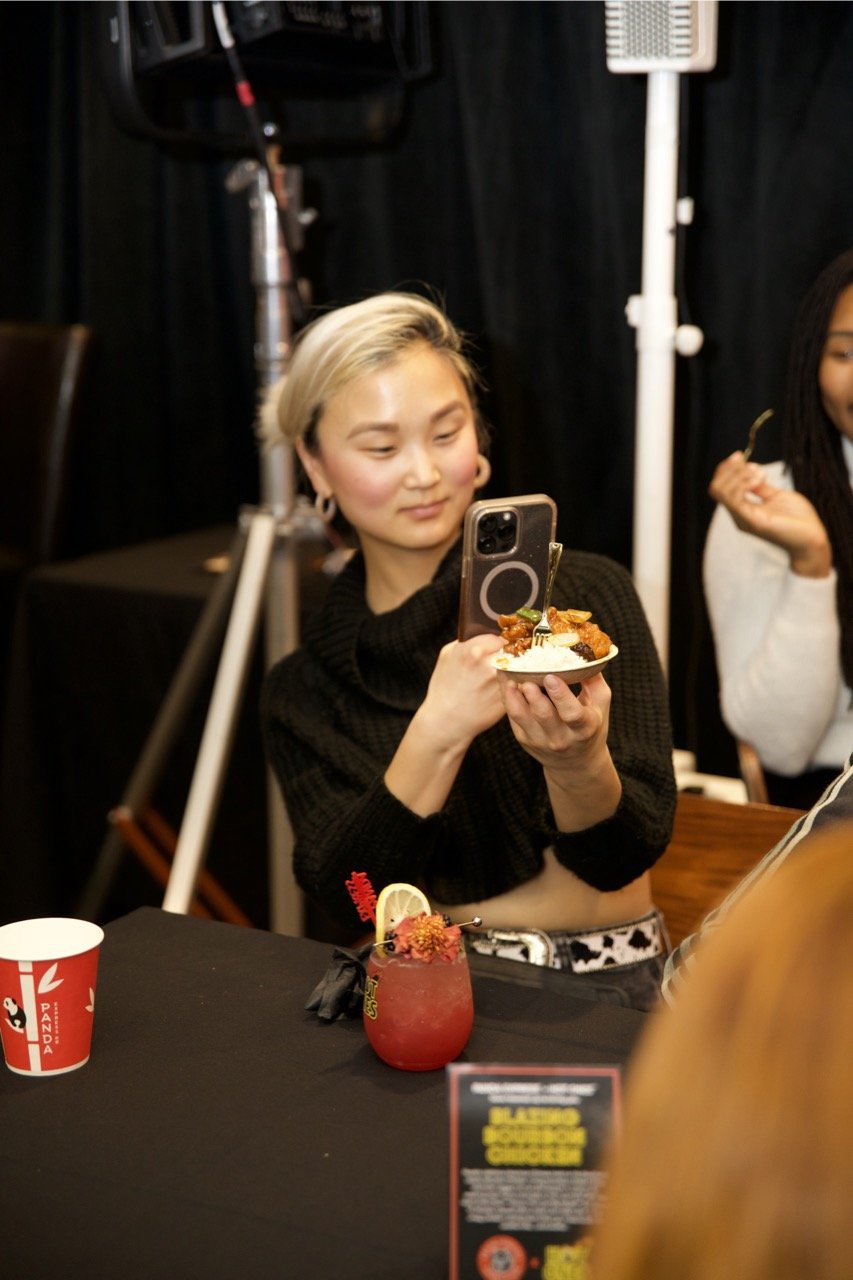
Our approach starts with one question: how does this experience live beyond the room? When we concept a pop-up or brand activation, we’re not only thinking about guest flow and physical design. We’re also thinking about what is capture-worthy, what creators will naturally share, what moments support press and storytelling, and how the campaign can keep working after the event ends.
That means building experiences with multiple outputs in mind. The live event matters, but so does the content it generates, the social proof it creates, the post-event storytelling it supports, and the brand consistency it reinforces across channels. The goal is never just to produce a moment. It is to create momentum.
The Future of Brand Activation and Experiential Marketing
The industry is moving toward more connected, data-informed strategies, and integrated marketing is at the center of that evolution.
Consumers no longer interact with brands in a single place. They move between physical and digital environments constantly, and brands need to meet them in both.
Experiential marketing remains a powerful way to create connection, but integration is what allows that connection to scale.
Integrated Marketing Gives Experiential More Staying Power
Experiential marketing still matters because it creates something digital channels alone cannot: real-world connection. But the campaigns that perform best today are the ones built to travel. They start before the event, expand during the live moment, and continue working after it ends through content, social sharing, influencer alignment, PR, and follow-up strategy.
That is what integrated marketing changes. It turns a standalone activation into a broader brand system that can drive awareness, engagement, and stronger long-term visibility.
If you’re planning a brand activation, pop-up, or launch, the question is not only what the experience will look like in person. It is how that experience will connect to the rest of your marketing.
At Barnastics, we build experiential campaigns with that larger picture in mind.
Start your project →
View our experiential marketing services →
FAQs About Integrated Experiential Marketing
-
Integrated experiential marketing is the combination of live brand experiences with broader marketing efforts such as influencer campaigns, social media, PR, and digital advertising. Instead of treating an event as a standalone activation, it becomes part of a larger campaign designed to reach audiences before, during, and after the experience.
-
Experiential marketing focuses on creating in-person brand experiences, while integrated marketing connects multiple channels into one cohesive strategy. When combined, experiential becomes one element within a larger campaign that includes content, media, and digital amplification, allowing brands to extend their reach beyond a single event.
-
Integrated marketing campaigns are more effective because they create multiple touchpoints for the same audience. Instead of relying on a single interaction, brands reinforce their message across platforms, which increases brand recall, engagement, and overall campaign performance.
-
An experiential marketing agency is responsible for developing and executing the physical brand experience while also ensuring it aligns with the broader campaign strategy. This includes designing experiences that are content-driven, shareable, and capable of being amplified across digital, influencer, and media channels.
-
ROI is measured through a combination of metrics, including event attendance, content performance, social engagement, influencer reach, and post-event conversions. Because integrated campaigns operate across multiple channels, they provide more data points and a clearer picture of overall impact compared to standalone activations.
-
Not every campaign requires full integration, but brands looking to scale awareness, maximize content, and extend the lifespan of their marketing efforts benefit significantly from an integrated approach. It is especially valuable for product launches, brand activations, and high-visibility campaigns where reach and engagement are critical.
-
The first step is shifting the mindset from planning an event to building a campaign. This means considering how the experience will be introduced, how it will be captured and shared, and how it will continue to live after it ends. Working with an agency that understands both experiential and integrated marketing is key to executing this effectively.