
NYC Experiential Marketing & Brand Activation Agencies: How Immersive Experiences Are Redefining Live Events

In New York City, attention is currency — and it’s increasingly hard to earn. Audiences here are overstimulated, culturally fluent, and deeply skeptical of anything that feels performative or transactional. That reality has fundamentally changed how brands show up in physical space.
Event planning alone no longer moves the needle. What resonates in New York today is experiential marketing: live, immersive brand moments designed to be felt, remembered, and talked about long after the doors close.
This is why the most effective NYC agencies aren’t positioning themselves as event planners anymore. They’re building experiences — intentional, story-driven activations that sit at the intersection of culture, design, and human behavior.
This article explores how experiential marketing and brand activation agencies in New York City are redefining live events, what separates experiential strategy from traditional production, and how brands can choose partners who understand the city’s pace, expectations, and cultural weight.
The Shift From Events to Experiences in New York City
For years, New York was dominated by technically impressive events — flawless production, premium venues, high-profile guest lists. But as the city’s cultural landscape evolved, those elements stopped being differentiators. They became baseline expectations.
Today, what separates a forgettable event from a meaningful one is not production value alone, but experiential intention.
Brands operating in New York are navigating an audience that is visually literate, culturally aware, and increasingly resistant to anything that feels transactional. The rise of experiential marketing in NYC isn’t about novelty — it’s about relevance. Experiences now need to justify their presence in physical space by offering something emotional, social, or cultural that cannot be replicated online.
This shift is reflected in how consumers respond to live brand moments. Research from Forrester shows that more than 70% of consumers feel more positive about a brand after attending a live experience, and over half report an increased likelihood to purchase compared to exposure through traditional digital advertising.
In a dense, competitive market like New York, that emotional recall is often the difference between relevance and invisibility.
This is why experiential marketing and brand activation agencies have become central to how brands show up in the city. These agencies don’t just manage timelines or vendors; they design environments, choreograph guest journeys, and shape how a brand is perceived in real time. Every decision — from location to pacing to sensory detail — plays a role in how an experience lands.
In New York, the margin for error is thin. Audiences immediately recognize when an activation lacks purpose or feels out of step with its surroundings. Conversely, when an experience feels intentional — when it respects the city’s energy rather than competing with it — it earns attention organically.
Why Experiential Marketing Has Become Essential in New York

New York is not a passive market. People don’t just attend events here — they evaluate them. They compare them to what they saw last week in SoHo, last night in Brooklyn, or three years ago during a brand’s breakout moment. If an experience doesn’t feel intentional, it disappears almost immediately.
That’s why experiential marketing has become one of the most effective ways for brands to break through. Live experiences create emotional memory, not just impressions. According to research from the Event Marketing Institute, experiential activations can drive up to 85% brand recall, significantly outperforming traditional advertising formats.
Experiential marketing also thrives here because New York itself is experiential. Fashion, art, food, music, and media collide daily. When a brand activation aligns with that cultural rhythm instead of interrupting it, it earns attention naturally.
Experiential Marketing vs. Traditional Event Planning (And Why the Difference Matters)
A common mistake brands make is assuming experiential marketing is simply elevated event planning. In reality, the difference is philosophical.
Traditional event planning focuses on execution: timelines, vendors, run-of-show, logistics. Experiential marketing starts much earlier, with questions about why the experience exists and how it should make people feel.
Experiential agencies design the emotional arc of an experience. They consider how guests enter a space, what captures them first, where energy builds or softens, and what moment people leave talking about. Production remains critical — but it serves the story, not the other way around.
In New York, where audiences have seen everything, this distinction matters. A technically perfect event that lacks narrative or intention will be forgotten. An experience that feels human, culturally aware, and emotionally tuned will travel far beyond the room.
What Leading NYC Experiential Agencies Actually Bring to the Table
The strongest experiential agencies in New York don’t sell templates. They operate more like creative studios — blending strategy, design, and production into a single, cohesive vision.
They begin by understanding a brand’s role in culture, not just its marketing objectives. From there, they translate that understanding into physical environments and moments that feel natural to the audience they’re meant to reach. Sometimes that results in an intimate, tightly curated pop-up. Other times it becomes a layered activation that unfolds across time and space.
What distinguishes these agencies isn’t scale or spectacle. It’s restraint, clarity, and the ability to make intentional choices. They know when to do less. They know when to let the environment speak. And they know how to create experiences that feel cohesive rather than crowded with ideas.
The Trends Shaping Experiential Marketing in NYC Right Now
One of the most notable shifts in New York experiential marketing is the move away from excess. Brands are prioritizing depth over size — fewer guests, stronger intention, and greater emotional payoff.
Immersive design has also matured. Instead of overwhelming installations, agencies are focusing on flow, texture, sound, and pacing. The goal is no longer to impress immediately but to draw people in and allow the experience to reveal itself.
Sustainability has become part of this conversation as well. New York audiences are acutely aware of waste and performative ethics, and they increasingly expect brands to demonstrate responsibility in how experiences are produced. This shift is reflected in current consumer research: a 2024 PwC global survey found that 80% of consumers are willing to pay more for products and experiences that demonstrate sustainability and ethical practices, even amid inflation and economic uncertainty.
Agencies that prioritize reusable builds, local partnerships, and responsible production aren’t just doing the right thing — they’re aligning with audience values in a way that feels authentic.
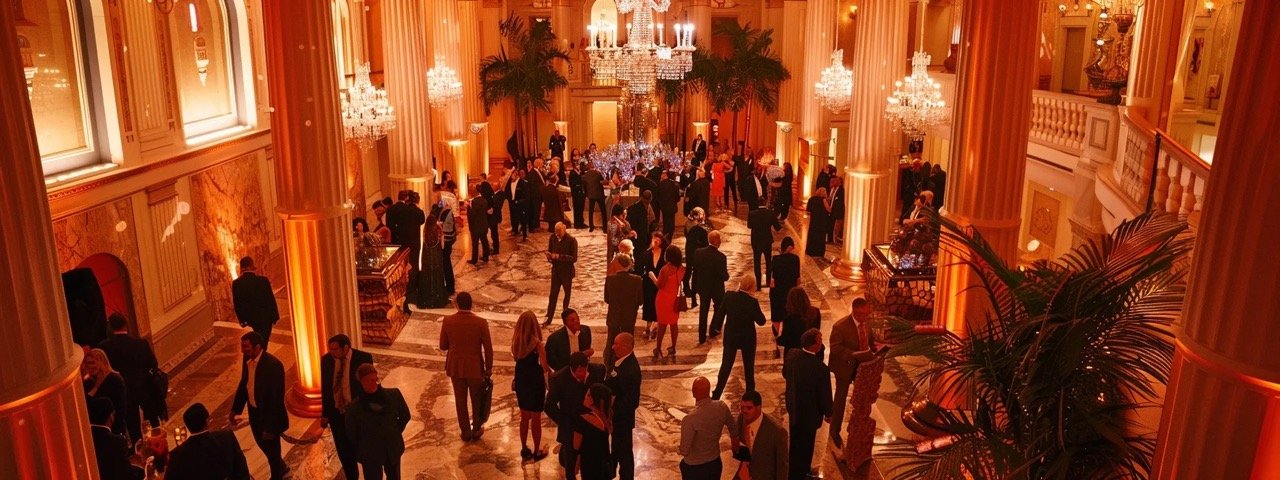
Budgeting for Experiential Marketing Without Diluting Impact
One of the most persistent myths around experiential marketing is that it requires massive budgets. In practice, the most effective experiences are often the most focused.
In New York especially, smart experiential agencies allocate budget toward one or two defining moments rather than spreading resources thin across unnecessary elements. They invest in design, storytelling, and execution quality — not scale for scale’s sake.
Brands that approach experiential marketing with clear objectives consistently outperform those who simply “want an event.” When purpose is defined, the budget works harder.
How to Choose the Right Experiential Partner in NYC
Choosing an experiential agency in New York isn’t about finding the biggest name or the flashiest portfolio. It’s about alignment.
The right partner should be able to articulate why a concept works — not just how it looks. They should understand New York audiences intuitively, without needing over-explanation. They should think beyond event day and consider how the experience lives on through memory, conversation, and content.
Most importantly, they should feel like collaborators, not vendors. Experiential marketing works best when agencies are trusted to lead creatively, not just execute instructions.
Why NYC Experiential Campaigns Often Set the Standard
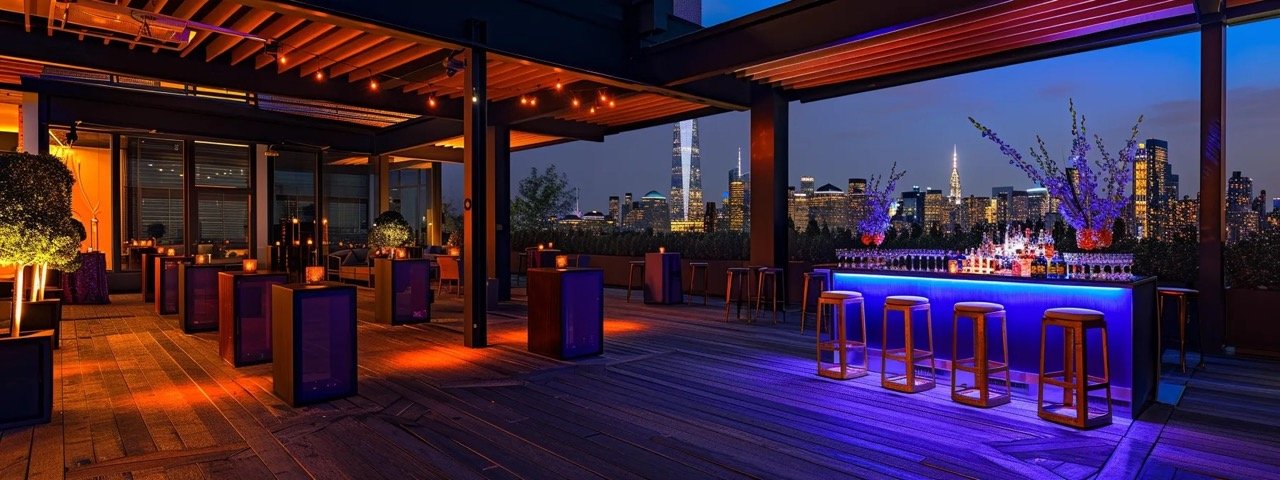
Because New York is a global stage, experiences that succeed here tend to ripple outward. Campaigns launched in NYC frequently influence national strategies, inform future activations, and become reference points across industries.
This isn’t accidental. New York demands a level of cultural awareness and execution discipline that forces brands to be sharper, more intentional, and more human.
Final Thoughts
Experiential marketing isn’t a trend in New York — it’s a response to reality.
In a city where attention is scarce and culture moves fast, brands that invest in immersive, emotionally intelligent experiences are the ones that last. Not because they shout louder, but because they connect more deeply.
For brands looking to make a meaningful impact in New York City, experiential marketing isn’t just an option. It’s the language the city understands.