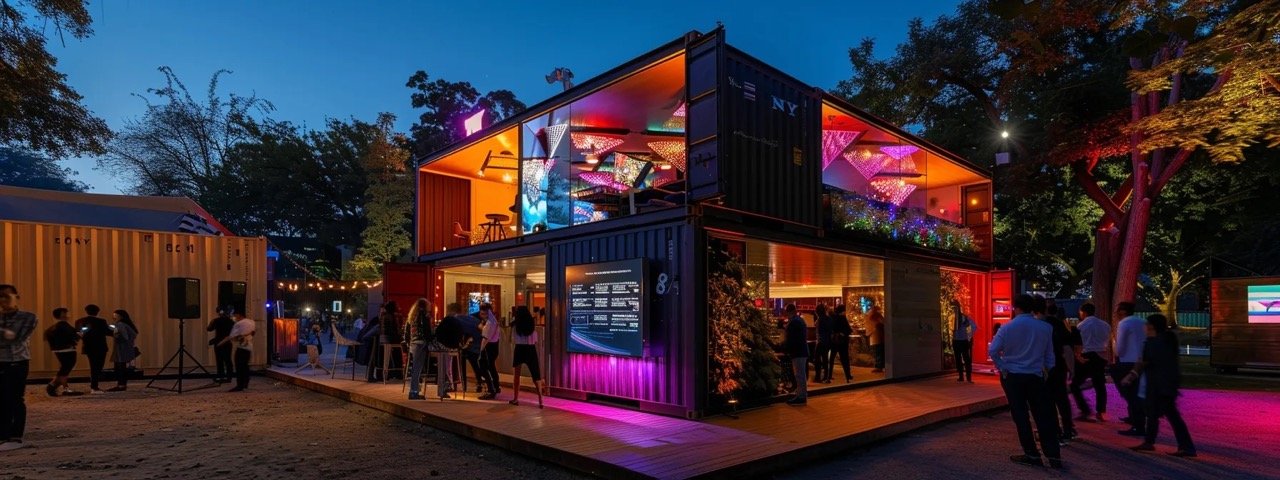

Shipping Container Pop-Up Spaces for Experiential Brand Activations
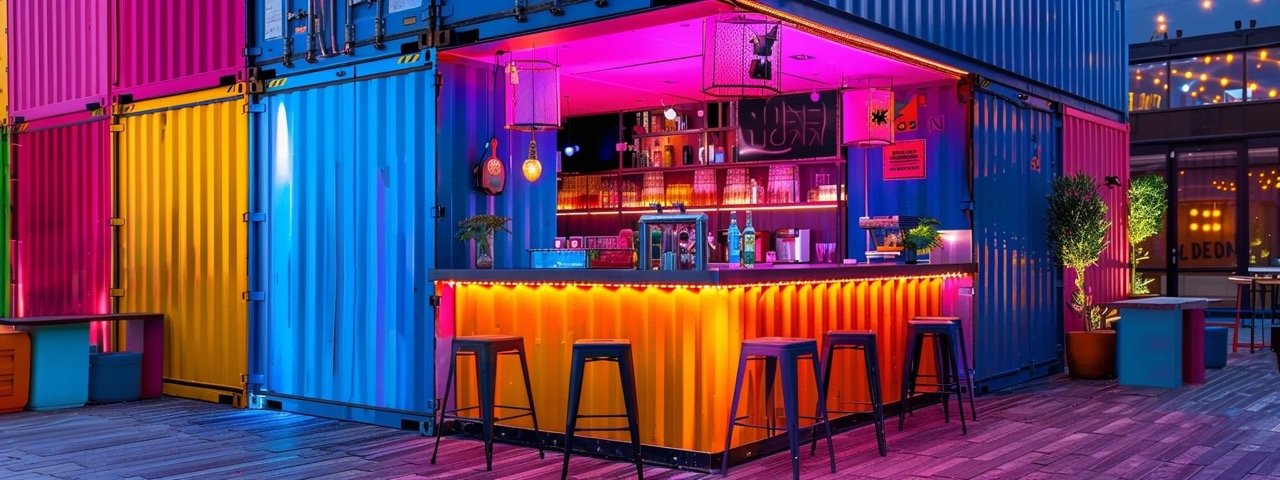
Shipping Container Pop-Ups: A Modular Approach to Experiential Brand Activations
As a full-service experiential marketing agency executing brand activations, pop-ups, and immersive campaigns across major U.S. markets, we work with brands that need scalable, production-ready formats for real-world engagement. One approach that has become increasingly effective—especially for touring campaigns, outdoor activations, and multi-city launches—is the use of shipping container pop-up environments.
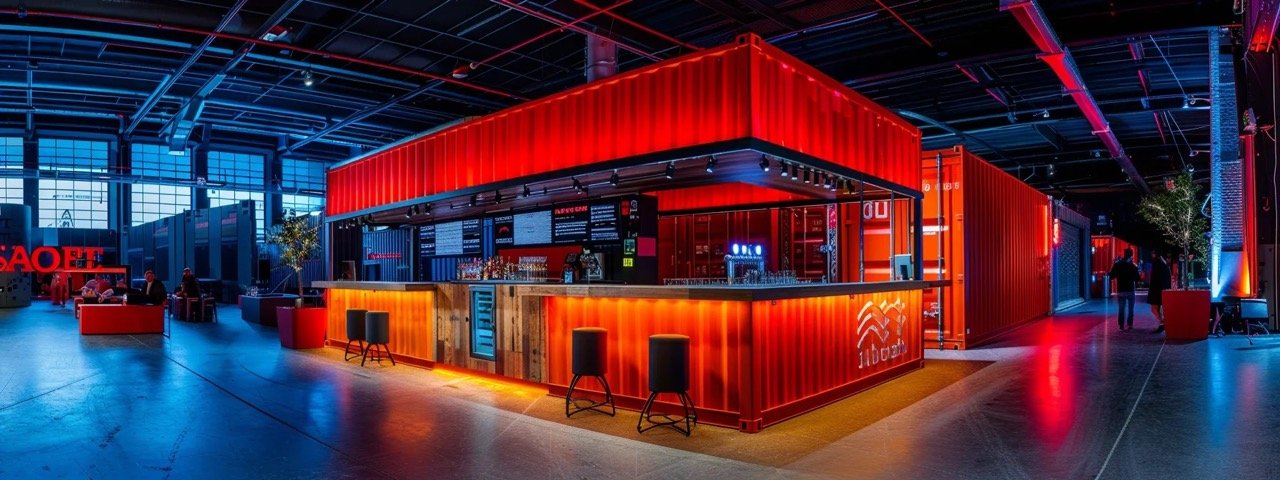
Unlike traditional pop-ups or temporary retail interiors, container-based activations offer brands a modular, repeatable structure that can travel market-to-market while maintaining consistency in experience, design, and brand storytelling. When planned correctly, these installations function as mobile experiential platforms—not novelty builds—supporting launches, cultural moments, and long-term experiential strategy.
This guide breaks down how shipping container pop-ups are used in experiential marketing today, where they make sense, and what brands need to consider before deploying them.
Why Brands Use Shipping Container Pop-Ups
Shipping container pop-ups sit at the intersection of mobility, visibility, and experiential design. They provide brands with a controlled physical environment that can be deployed quickly, customized extensively, and reused across markets.
From an experiential standpoint, container-based pop-ups allow brands to:
Maintain a consistent experience across multiple cities
Activate outdoor or nontraditional locations where retail isn’t viable
Create instantly recognizable structures that stop foot traffic
Reduce the need for full custom builds at every stop
For brands launching new products, testing markets, or anchoring high-traffic cultural moments, container pop-ups offer structure without sacrificing flexibility.
Common Use Cases for Container-Based Activations
Shipping container pop-ups are most effective when the experience itself is the primary driver—not just the product display.
We most often see container-based activations used for:
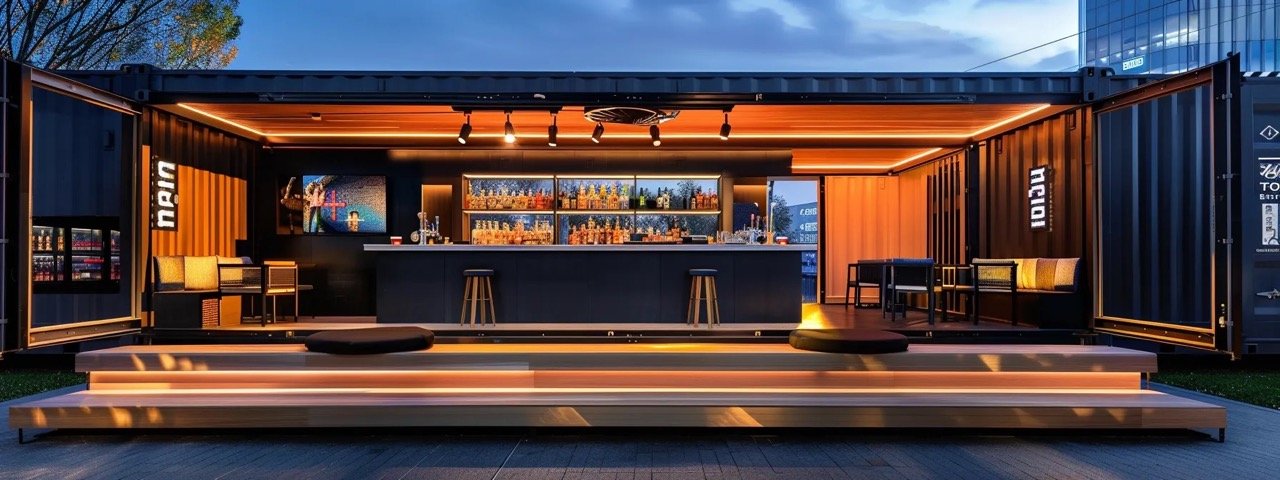
Product launches and brand debuts
Touring experiential campaigns across multiple cities
Outdoor retail + experiential hybrids
Festival, Art Week, and cultural moment activations
Sampling, education, or content-first brand experiences
In markets like Miami, New York City, and Los Angeles, container pop-ups are frequently used to activate high-foot-traffic outdoor zones where brands need presence, visibility, and experiential impact without permanent build-outs.
Designing the Experience (Not Just the Structure)
One of the most common mistakes brands make is over-indexing on the container itself.
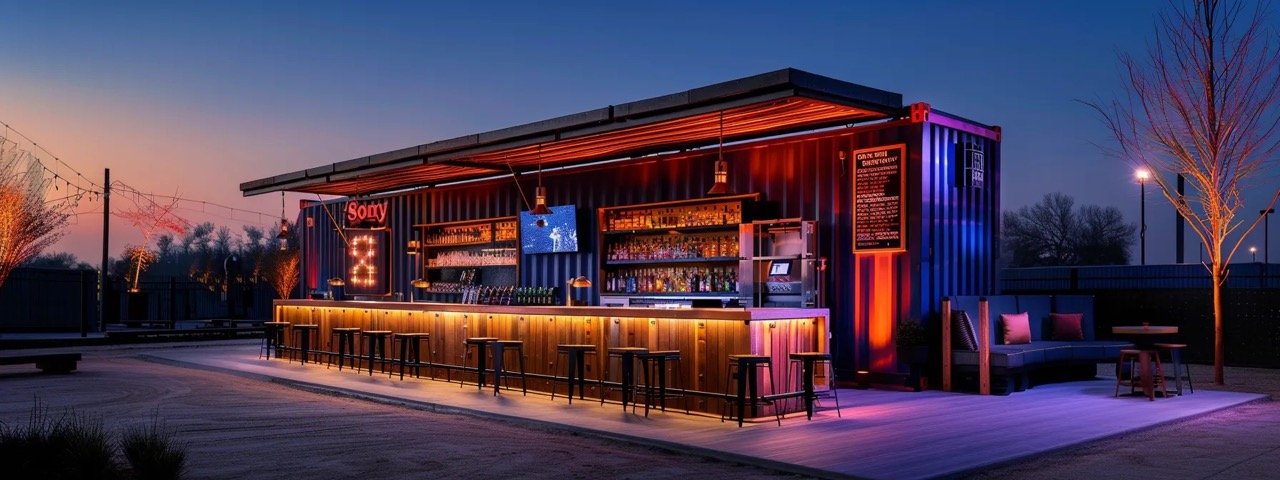
Successful container pop-ups start with experiential intent:
What should guests feel when they enter?
What action should they take?
What moment should they remember or share?
The strongest activations focus on interior flow, dwell time, sensory engagement, and content capture—not just exterior branding. The container is the vessel; the experience inside is what drives brand recall.
This is where a clear experiential brand activation strategy becomes critical—aligning design, production, staffing, and guest journey into one cohesive experience.
What Brands Typically Underestimate
While container pop-ups appear simple on the surface, they are not plug-and-play.
Common challenges brands underestimate include:
Site access, zoning, and permitting requirements
Load-in logistics, cranes, and transportation constraints
Power, HVAC, and safety compliance
Vendor coordination across multiple markets
Staffing and brand training city-to-city
These operational considerations are often where container activations succeed—or fail. Brands that treat container pop-ups as “easy builds” often run into timeline delays, budget overruns, or compromised guest experience.
This is why container-based activations perform best when planned with a full-service experiential marketing agency that understands both creative execution and production realities.
How Container Pop-Ups Fit Into a Larger Experiential Strategy

The strongest brands do not treat container pop-ups as one-off stunts.
Instead, they use them as:
Anchors within broader experiential campaigns
Repeatable formats that evolve by market
Physical extensions of digital and social storytelling
Testing grounds before committing to permanent retail
When designed strategically, a container pop-up becomes a long-term experiential asset—capable of supporting multiple launches, cities, and campaign phases.
In city-specific strategies like Miami experiential activations, New York brand pop-ups, or Los Angeles experiential marketing, container-based formats allow brands to maintain consistency while adapting to local context.

Final Takeaway
Shipping container pop-ups are not about novelty or convenience. They are about control, consistency, and impact—giving brands a way to deliver immersive experiences across markets without sacrificing quality or intent.
When aligned with the right experiential strategy, container-based pop-ups offer a powerful solution for brands looking to stand out, scale smartly, and build meaningful real-world connections.
Planning a modular pop-up or multi-city experiential activation?
Barnastics partners with brands to design, produce, and execute container-based pop-ups that function as true experiential environments—not just structures.
Explore our approach to experiential brand activations or connect with our team to discuss your next activation.